How to say credit card in Chinese is a question I hear often from expats, travelers, and new language learners who are navigating daily life in China. After twelve years living in Tianjin, earning my HSK5 certification, and studying Intercultural Communication, I have learned that financial vocabulary is some of the most practical Chinese you can master. Whether you are shopping at a mall, paying for dinner, or setting up mobile payments, knowing how to talk about credit card in Chinese will make your life significantly easier.
In this guide, I will teach you the exact Chinese word for credit card, its pronunciation, characters, and all the related vocabulary you need for financial transactions in Mandarin-speaking environments.
Table of Contents
Key Takeaways
- The word for credit card in Chinese is 信用卡 (xìn yòng kǎ).
- China has largely moved to mobile payments (WeChat Pay, Alipay), but credit cards are still accepted at major retailers and hotels.
- Related terms include debit card (借记卡 jiè jì kǎ), swipe card (刷卡 shuā kǎ), and ATM (自动取款机 zì dòng qǔ kuǎn jī).
- Always carry cash as a backup, especially at smaller shops and street vendors.
How to Say Credit Card in Chinese

The standard translation for credit card in Mandarin Chinese is:
信用卡
Pinyin: xìn yòng kǎ
Literal breakdown:
- 信 xìn – trust, faith, credit
- 用 yòng – use, usage
- 卡 kǎ – card (loanword from English “card”)
So 信用卡 literally means “trust-use card” or “credit-use card.” The word 卡 kǎ is used for all types of cards in modern Chinese – credit cards, debit cards, ID cards, and even game cards.
Pronunciation Breakdown
Let us break down the pronunciation syllable by syllable:
- xìn – pronounced like “shin” with a falling tone (fourth tone). Start high and drop sharply.
- yòng – pronounced like “yong” with a falling tone (fourth tone). Drop from mid to low.
- kǎ – pronounced like “ka” with a rising tone (third tone). Start low, dip, then rise.
When saying 信用卡 (xìn yòng kǎ) at natural speed, the third tone on kǎ often changes to a second tone, rising, in connected speech, becoming something closer to xìn yòng ká. This is called tone sandhi and is very common in Mandarin.
Related Vocabulary
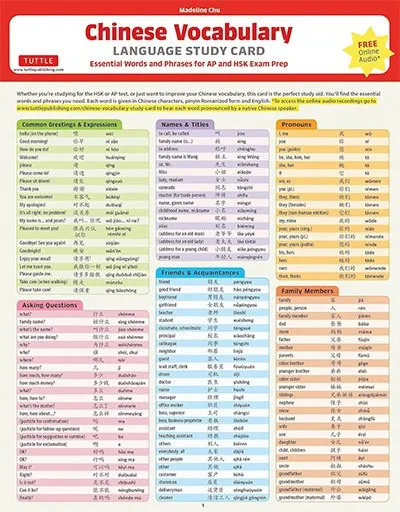
Here are the essential financial terms you need alongside how to say credit card in Chinese:
| English | Chinese | Pinyin |
|---|---|---|
| credit card | 信用卡 | xìn yòng kǎ |
| debit card | 借记卡 | jiè jì kǎ |
| bank card | 银行卡 | yín háng kǎ |
| to swipe card | 刷卡 | shuā kǎ |
| ATM | 自动取款机 | zì dòng qǔ kuǎn jī |
| cash | 现金 | xiàn jīn |
| password / PIN | 密码 | mì mǎ |
| to pay | 付款 | fù kuǎn |
| receipt | 发票 | fā piào |
| discount | 打折 | dǎ zhé |
Cultural Context

Understanding how to say credit card in Chinese is only half the battle. You also need to understand how payments actually work in China.
China has famously leapfrogged credit cards and moved directly to mobile payments. WeChat Pay and Alipay dominate the market, and even street vendors and taxi drivers prefer QR code payments over cash or cards. In many situations, pulling out a physical credit card will earn you a confused look.
However, credit cards are still essential in certain contexts:
- International hotels and upscale restaurants
- Airport duty-free shops
- Online shopping on international platforms
- Large purchases where mobile payment limits apply
Foreign credit cards (Visa, Mastercard) are increasingly accepted in China after government initiatives to improve payment infrastructure for tourists. UnionPay is the dominant domestic card network, and having a UnionPay card will give you the widest acceptance.
If you are living in China long-term, opening a Chinese bank account and getting a local debit card (借记卡 jiè jì kǎ) will make your daily life much smoother than relying solely on foreign credit cards.
Advanced ways for how to say credit card in Chinese sentences
Here are practical sentence patterns for using 信用卡 (xìn yòng kǎ) in real conversations:
1. Can I pay with credit card?
我可以刷信用卡吗?
Wǒ kě yǐ shuā xìn yòng kǎ ma?
2. Do you accept foreign credit cards?
你们接受外国信用卡吗?
Nǐ men jiē shòu wài guó xìn yòng kǎ ma?
3. My credit card limit is 10,000 yuan.
我的信用卡额度是一万块。
Wǒ de xìn yòng kǎ é dù shì yī wàn kuài.
4. I forgot my credit card password.
我忘记我的信用卡密码了。
Wǒ wàng jì wǒ de xìn yòng kǎ mì mǎ le.
5. Please swipe my card.
请刷我的卡。
Qǐng shuā wǒ de kǎ.
6. I prefer to use mobile payment.
我更喜欢用手机支付。
Wǒ gèng xǐ huān yòng shǒu jī zhī fù.
7. This restaurant only accepts cash.
这家餐厅只收现金。
Zhè jiā cān tīng zhǐ shōu xiàn jīn.
8. I need to pay off my credit card bill.
我要还信用卡账单。
Wǒ yào huán xìn yòng kǎ zhàng dān.
Frequently Asked Questions
Is credit card commonly used in China?
Credit cards are less common than mobile payments in daily Chinese life. WeChat Pay and Alipay dominate most transactions. However, credit cards are still accepted at hotels, upscale restaurants, airports, and large retailers.
Can I use my foreign Visa or Mastercard in China?
Yes, but acceptance varies. Major cities and tourist areas increasingly accept foreign cards, especially after 2024 government initiatives to improve payment infrastructure. Smaller shops and street vendors typically do not accept foreign cards.
What is the difference between 信用卡 and 借记卡?
信用卡 (xìn yòng kǎ) is a credit card – you borrow money from the bank. 借记卡 (jiè jì kǎ) is a debit card – you spend money directly from your bank account. Debit cards are far more common for daily use in China.
How do I ask for a receipt when paying by card?
Say “请给我发票” (Qǐng gěi wǒ fā piào) – “Please give me a receipt.” In China, the official receipt called 发票 (fā piào) is important for business expense claims and sometimes required for returns.
Last updated: May 2026. Information reflects my personal experience living in Tianjin and traveling throughout China.
You might also be interested in learning more everyday Chinese vocabulary. Check out these guides: bill, discount, expensive, cheap, receipt, buy, password.
For authoritative references on Chinese financial vocabulary, see Yoyo Chinese for character breakdowns, MDBG for comprehensive dictionary definitions, China Briefing for business context, and The Culture Trip for cultural insights on modern Chinese consumer habits.