Toilet paper in Chinese is 卫生纸 (wèi shēng zhǐ), pronounced roughly “way shung jr”. 卫生 means hygiene and 纸 means paper, so the word is literally “hygiene paper”. If you are traveling or moving to China, learn this word before you land, and tuck a pack of tissues into your bag: many public restrooms in […]
Charger in Chinese is 充电器 (chōng diàn qì), literally a “fill-with-electricity device.” To borrow one, say 我可以借一下充电器吗? (wǒ kě yǐ jiè yí xià chōng diàn qì ma?), “Can I borrow a charger?” And when your battery is dying, the sentence that opens every door is 我的手机没电了 (wǒ de shǒu jī méi diàn le), “My phone […]
Toothpaste in Chinese is 牙膏 (yá gāo), literally “tooth paste.” To buy it, say 我想买牙膏 (wǒ xiǎng mǎi yá gāo), “I want to buy toothpaste,” or simply ask 牙膏在哪儿? (yá gāo zài nǎr?), “Where is the toothpaste?” This guide gives you the word, the phrases for the toiletries aisle, and the label terms that keep […]
Shampoo in Chinese is 洗发水 (xǐ fà shuǐ), literally “wash-hair water.” At a supermarket, salon, or on Taobao, that one word is all you need: 我要买洗发水 (wǒ yào mǎi xǐ fà shuǐ), “I want to buy shampoo.” This guide gives you the word, the full hair care vocabulary around it, and the phrases for buying […]
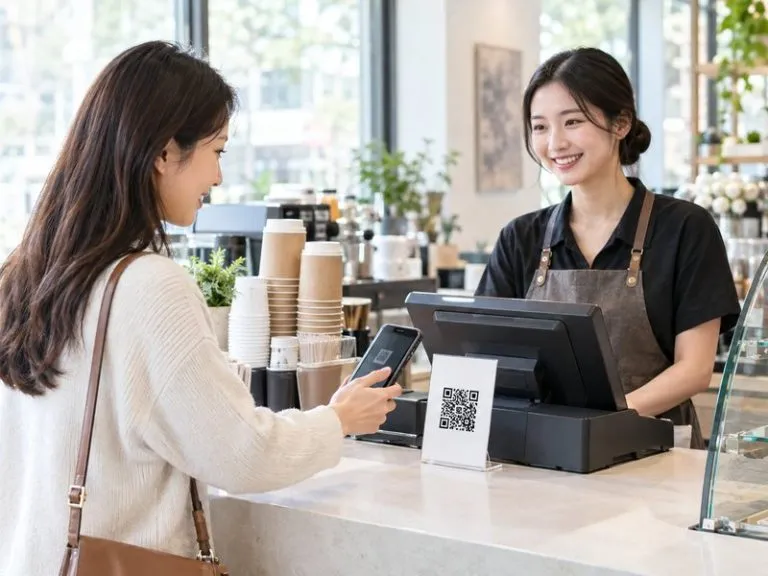
QR code in Chinese is 二维码 (èr wéi mǎ), literally a two-dimensional code, and the verb you need with it is 扫 (sǎo), to scan: 扫二维码, scan the QR code. In China this is not trivia. It is how you pay for noodles, order coffee, unlock a shared bike, and add a new contact, all […]
You are sitting in the salon chair, caped up, and the stylist is waiting. In English you would say “just a trim, shorter on the sides, keep the top.” In Chinese, nothing comes out. The word that unlocks the whole chair is 理发 (lǐ fà), and knowing how to say haircut in Chinese is the […]
The first time I walked into a Chinese bank, I stood at the counter for ten minutes while everyone ignored me. A guard finally pointed at a small machine by the door: I was supposed to take a number ticket first, and everyone else was sitting down because they had one. That day I learned […]
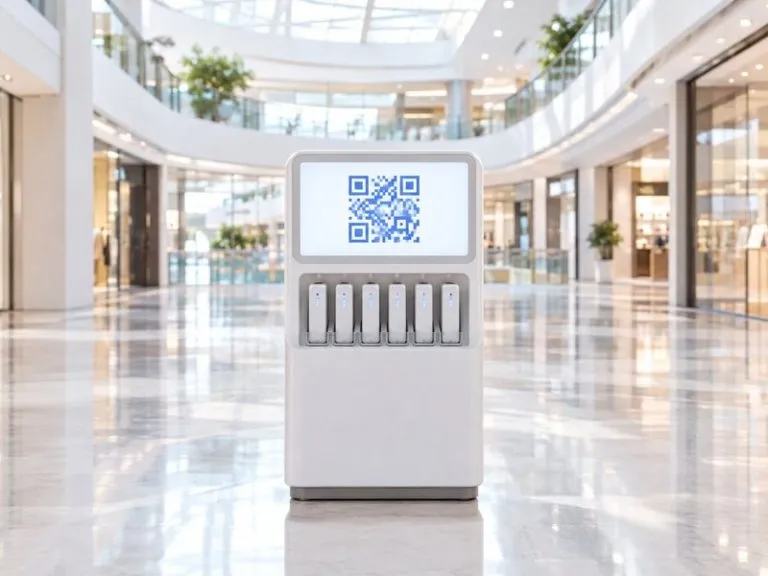
My phone died at 11 PM on a Shanghai street, and with it went my map, my translation app, my ride home, and my ability to pay for anything. A stranger pointed at a glowing white kiosk on the bar counter, I scanned a code, and a charged battery pack slid out like magic. That […]
Need to know how to say today in Chinese? The word is 今天 (jīn tiān), and you’ll use it roughly fifty times a day. From making plans to checking the weather to simply greeting someone, this is one of the most essential words in the entire language. After twelve years in Tianjin and an HSK5 […]
Wondering how to say danger in Chinese? The word is 危险 (wēi xiǎn), which literally means “dangerous risk.” You’ll hear this word everywhere from street signs to weather warnings, and knowing how to use it properly can keep you safe during your time in China.
Wondering how to say bread in Chinese? The word is 面包 (miàn bāo), which literally means “noodle package.” It is the standard word for bread across mainland China, Taiwan, and Singapore. Whether you’re buying breakfast at a corner bakery or ordering at a hotel buffet, this is the word you need. I learned this word […]
Need to know how to say left in Chinese? The word is 左 (zuǒ), a single-character directional term you’ll use constantly when navigating China. Whether you’re giving directions to a taxi driver, following a map, or learning to read street signs, this word is absolutely essential. I still remember my first week in Tianjin, standing […]