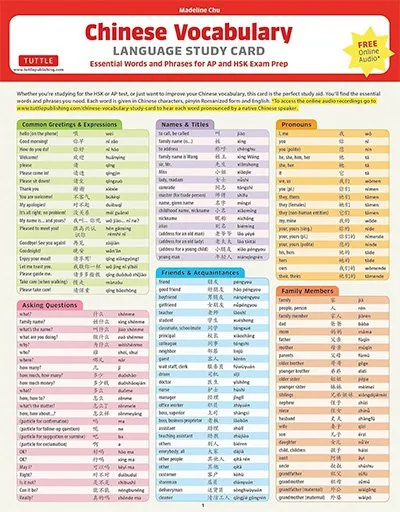
Learning Chinese opens up a world of communication. Figuring out how to talk about time is one of the first hurdles.
Many learners get stuck on how to say years in Mandarin, especially when it comes to dates or ages.
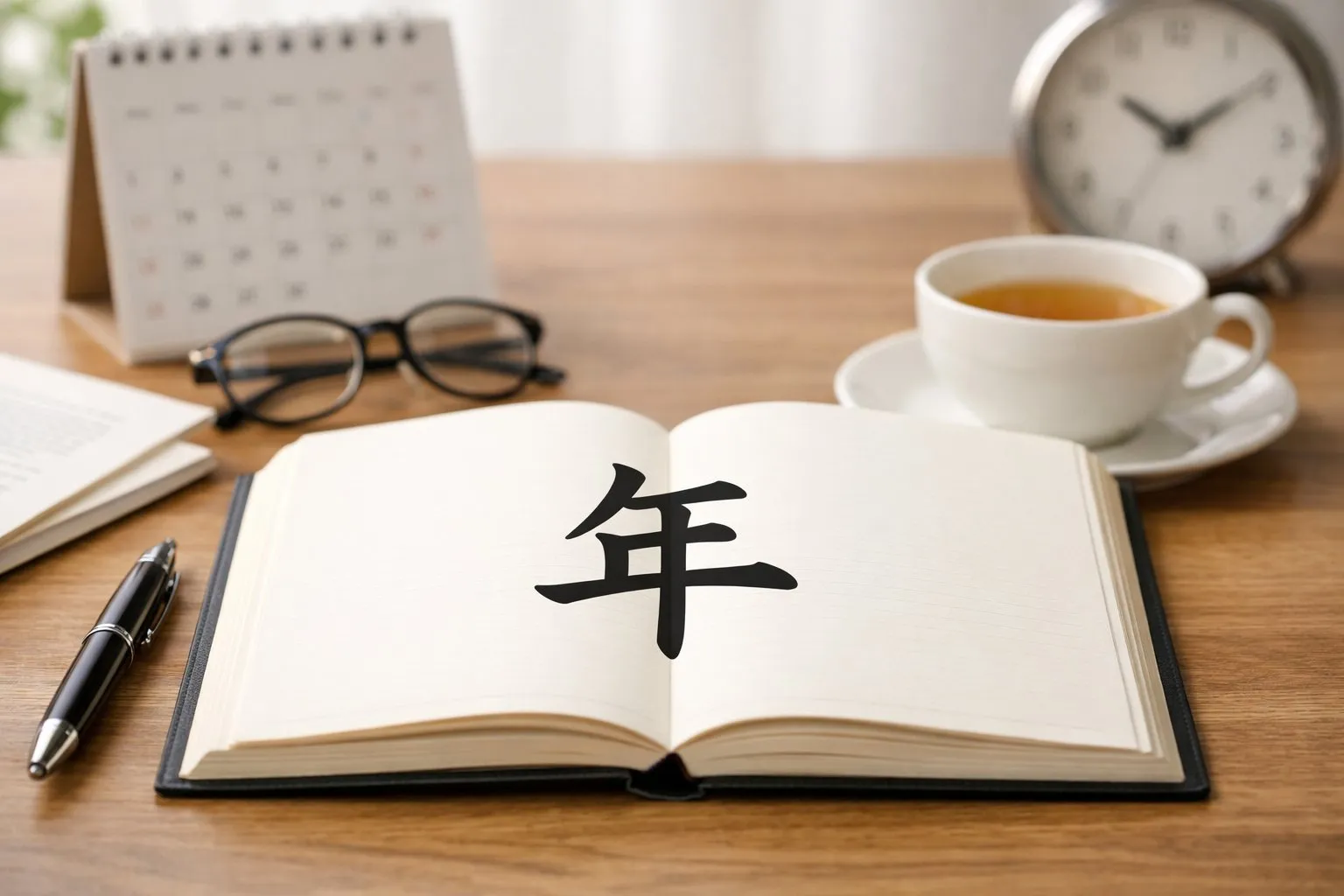
The word for how to say year in Chinese is 年 (nián). When you say a specific year like 2026, you read each digit on its own, then add 年 at the end, so it’s èr líng èr liù nián.
Table of Contents

This is a bit different from English, where we tend to group the numbers. The Chinese numeral system uses its own characters for each number, and once you get those down, saying any year is pretty direct.
Knowing how to talk about years in Chinese also helps when you’re discussing ages, dates, or historical periods. Age uses 岁 (suì), while calendar years always use 年 (nián).
Getting comfortable with these basic expressions for years and dates really sets you up for more interesting conversations about time in Mandarin.
Key Takeaways
- The Chinese word for year is 年 (nián). Years are said digit by digit, always ending with 年.
- Chinese uses different characters for calendar years and age, 年 (nián) for years, 岁 (suì) for age.
- It’s crucial to know Chinese numbers from 1 to 10 to say any year properly.
Fundamentals of Saying Year in Chinese
The word for year in Chinese requires you to say each digit on its own, then pop a specific character on the end. Knowing which characters to use for each number really matters for good pronunciation.
The Character 年 (nián) and Its Usage
The character 年 (nián) means “year” in Chinese. You always tack it on after the numbers, otherwise, you’re just saying numbers, not a year.
年 pops up in tons of situations: age, time periods, and even in 过年 (guò nián), which is Chinese New Year. It’s an HSK 1 level word, so it’s one of the first things most students learn.
When writing dates in Chinese, you put the year first and then 年. So, 2026年 means the year 2026. In English, we might just say “2026,” but in Chinese, 年 is almost always there.
Reading Each Digit in Chinese Years
Chinese speakers read years by saying each digit separately, they don’t group the numbers. For 2026, you’d say “two zero two six year,” or èr líng èr liù nián.
This rule applies to any year, no matter how old or recent:
- 1997 = yī jiǔ jiǔ qī nián (one nine nine seven year)
- 2023 = èr líng èr sān nián (two zero two three year)
- 1845 = yī bā sì wǔ nián (one eight four five year)
Every single digit gets its own moment, and 年 always closes it out. It’s kind of satisfying, honestly.
Role of 零 (líng) and 二 (èr) in Pronouncing Years
The character 零 (líng) stands for zero in years. If a year has a zero, you say 零 for every zero. The year 2010? That’s èr líng yī líng nián, two zero one zero year.
Years with more than one zero? Same deal. 2000 is èr líng líng líng nián (two zero zero zero year). Don’t skip the zeros!
For “two” in years, always use 二 (èr). So, 2026 starts with 二 (èr). Don’t use 两 (liǎng) here, just stick with 二 (èr) for years.
Key characters for years:
- 年 (nián) = year
- 零 (líng) = zero
- 二 (èr) = two
How to Pronounce and Write Years in Chinese

Chinese years use a digit-by-digit system: say each number, then add 年 (nián). When writing, you use Chinese numerals plus 年, like 二零二一年 for 2021 or 一九九七年 for 1997.
Full Digit Pronunciation Explained
When you say years in Chinese, you pronounce every digit. The character 年 (nián) means “year” and always comes last.
For 2026, you say: 二零二六年 (èr líng èr liù nián). The zero is 零 (líng), not just a silent placeholder. Unlike English, you don’t group numbers as “twenty twenty-six.”
Key pronunciation points:
- Say every digit on its own
- Zero = 零 (líng)
- Finish with 年 (nián)
- No grouping, ever
Written years use standard Chinese numerals. Sometimes, people use Arabic numerals (2026年) for everyday stuff, but the formal way is with characters.
Common Examples: 2021, 1997, and More
2021 is written as 二零二一年 and pronounced èr líng èr yī nián. That’s 二 (èr) for 2, 零 (líng) for 0, another 二 (èr), then 一 (yī), and finally 年 (nián).
For 1997, it’s 一九九七年 and you say yī jiǔ jiǔ qī nián. The pattern never changes, even if you go way back in time.
More examples:
| Year | Chinese Characters | Pinyin |
|---|---|---|
| 2000 | 二零零零年 | èr líng líng líng nián |
| 1985 | 一九八五年 | yī jiǔ bā wǔ nián |
| 2023 | 二零二三年 | èr líng èr sān nián |
2000 is a great example, every zero gets its own 零, so you end up with four separate syllables before 年.
Shortened and Colloquial Expressions for Years
In casual talk, people often drop the first two digits if it’s clear what century you mean. Instead of 二零二六年, you might just hear 二六年 (èr liù nián) for 2026.
Sometimes, if you’re talking about this decade, it gets even shorter. Folks might just say 去年 (qù nián) for “last year” or 明年 (míng nián) for “next year”, no numbers at all.
Common shortcuts:
- 今年 (jīn nián) – this year
- 前年 (qián nián) – two years ago
- 大前年 (dà qián nián) – three years ago
If the context is obvious, like discussing Hong Kong’s handover, you might hear 九七年 (jiǔ qī nián) for 1997. Everyone knows what you mean, so why say more than you have to?
Using Years Within Dates in Chinese
Chinese dates always put the year first, then the month, then the day. It’s a strict order, no switching things around like in some Western formats.
This order stays the same whether you use Chinese characters or Arabic numerals. It’s just how dates work in Chinese.
The Year-Month-Day Format
Chinese date format is always year-month-day. Bigger time units come first, then smaller ones. Year goes first, month next, and day last. No exceptions.
For example, January 13, 2026 is 2026年1月13日 in Chinese. 年 (nián) follows the year number, 月 (yuè) comes after the month, and 日 (rì) after the day.
This pattern covers every date, whether you’re filling out paperwork or just chatting. Once you get used to it, reading and writing dates feels pretty natural.
Writing the Date in Chinese Characters and Numerals
You can write dates in Chinese with either characters or Arabic numerals for the numbers. The time unit characters, 年, 月, and 日, stay the same. Which format you pick depends on how formal things are.
Chinese character numbers:
- 二〇二六年一月十三日
- Every digit gets its own character.
- Feels more traditional and formal.
Arabic numerals:
- 2026年1月13日
- Quicker to write and read.
- Common in daily life.
Most people use Arabic numerals for everyday stuff, since it’s just easier. For official documents or traditional events, you’ll see character numbers. Both ways are fine, honestly.
Role of Months and Days in Chinese Dates
Months in Chinese use simple numbers from 1 to 12 followed by 月 (yuè). January is 一月 (yī yuè) or 1月. February is 二月 (èr yuè) or 2月. Chinese just sticks with numbers, there aren’t any unique month names like in English.
Days work the same way. You use numbers 1 through 31 with 日 (rì). The first day is 一日 (yī rì) or 1日, the second is 二日 (èr rì), and so on. In casual speech, some folks swap in 号 (hào) for 日, but 日 still rules in writing.
The month and day always come after the year. If you mix up the order, the date won’t make sense to anyone reading it.
Related Expressions and Contexts for Years
Chinese doesn’t just name specific years. There are unique words for talking about last year, next year, and even how old someone is, those age words aren’t the same as the ones for calendar years.
Expressing Last Year, This Year, and Next Year
The most common way to say “this year” in Chinese is 今年 (jīn nián). 今 (jīn) means “now,” and 年 (nián) is “year.”
For last year, people use 去年 (qù nián). 去 (qù) means “go” or “past,” so it’s literally “gone year.”
明年 (míng nián) means “next year.” 明 (míng) can mean “bright” or “next,” pointing to the year coming up.
There are words for years even further away. 前年 (qián nián) is “the year before last.” 后年 (hòu nián) covers “the year after next.” If you want to talk about three years ago, you’d say 大前年 (dà qián nián), and three years from now is 大后年 (dà hòu nián).
Referring to Past and Future Years in Conversation
When people talk about specific years, they read each digit out loud, then add 年 (nián). So 2025 comes out as 二零二五年 (èr líng èr wǔ nián).
In informal conversations, folks sometimes drop digits if everyone knows what year they mean. They might just say 二五年 (èr wǔ nián) instead of the full 2025.
For decades or eras, you’ll hear descriptive phrases. 九十年代 (jiǔ shí nián dài) means “the nineties,” and 八十年代 (bā shí nián dài) is “the eighties.”
Describing Age: 年 (nián) vs. 岁 (suì)
年 (nián) marks calendar years, but 岁 (suì) is the go-to character for age. When someone asks “How old are you?” in Chinese, they’ll say 你几岁?(nǐ jǐ suì?) or 你多大?(nǐ duō dà?).
To answer, just stick a number before 岁. A five-year-old is 五岁 (wǔ suì). Thirty years old? That’s 三十岁 (sānshí suì).
Don’t confuse 岁 (suì) with 年 (nián) when talking about age. 岁 counts a person’s years, while 年 is for calendar years or other time periods.
Frequently Asked Questions
Here are a few questions that are often asked when talking about years and ages.
Advanced ways for how to say year in Chinese sentences:
- Chinese: 每逢过年,奶奶都会准备一桌丰盛的年夜饭,全家人围坐在一起,享受团圆的喜悦。
Pinyin: Měi féng guò nián, nǎi nai dōu huì zhǔn bèi yī zhuō fēng shèng de nián yè fàn, quán jiā rén wéi zuò zài yī qǐ, xiǎng shòu tuán yuán de xǐ yuè.
English: Every Lunar New Year, Grandma prepares a sumptuous New Year’s Eve dinner, and the whole family gathers to enjoy the joy of reunion. - Chinese: 在国外的这些年,我最想念的还是家乡过年的热闹氛围。
Pinyin: Zài wài guó de zhè xiē nián, wǒ zuì xiǎng niàn de hái shì jiā xiāng guò nián de rè nao fēn wéi.
English: These years abroad, what I miss most is the festive atmosphere of the Lunar New Year at home. - Chinese: 他把过去一年的照片整理成册,每一张都记录着成长的足迹。
Pinyin: Tā bǎ guò qù yī nián de zhào piàn zhěng lǐ chéng cè, měi yī zhāng dōu jì lù zhe chéng zhǎng de zú jì.
English: He compiled the photos from the past year into an album, each capturing a step of growth. - Chinese: 新年钟声敲响的那一刻,满城的烟花仿佛在为新的一年欢呼。
Pinyin: Xīn nián zhōng shēng qiāo xiǎng de nà yī kè, mǎn chéng de yān huā fǎng fú zài wèi xīn de yī nián huān hū.
English: At the strike of the New Year’s bell, the city’s fireworks seemed to cheer for the incoming year. - Chinese: 岁月如歌,每一年都是一段独特的旋律,奏响生命的乐章。
Pinyin: Suì yuè rú gē, měi yī nián dōu shì yī duàn dú tè de xuán lǜ, zòu xiǎng shēng mìng de yuè zhāng.
English: Time is like a song, with each year a unique melody composing the music of life.