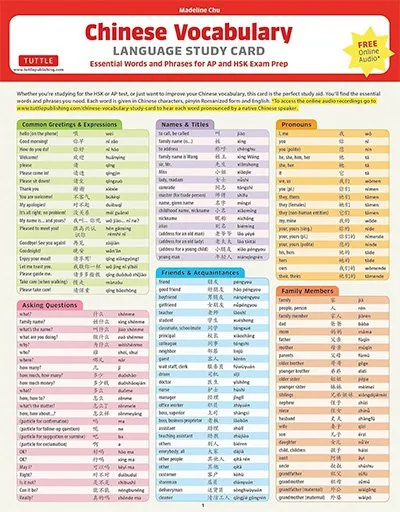
If you want to talk about ocean animals in Chinese, you’ll need the right word for whale. This simple term lets you communicate clearly in class, while traveling, or just chatting with friends.
In Mandarin, how to say whale in Chinese is 鲸鱼 (jīng yú). People often shorten it to just 鲸 (jīng) in casual talk.
Table of Contents
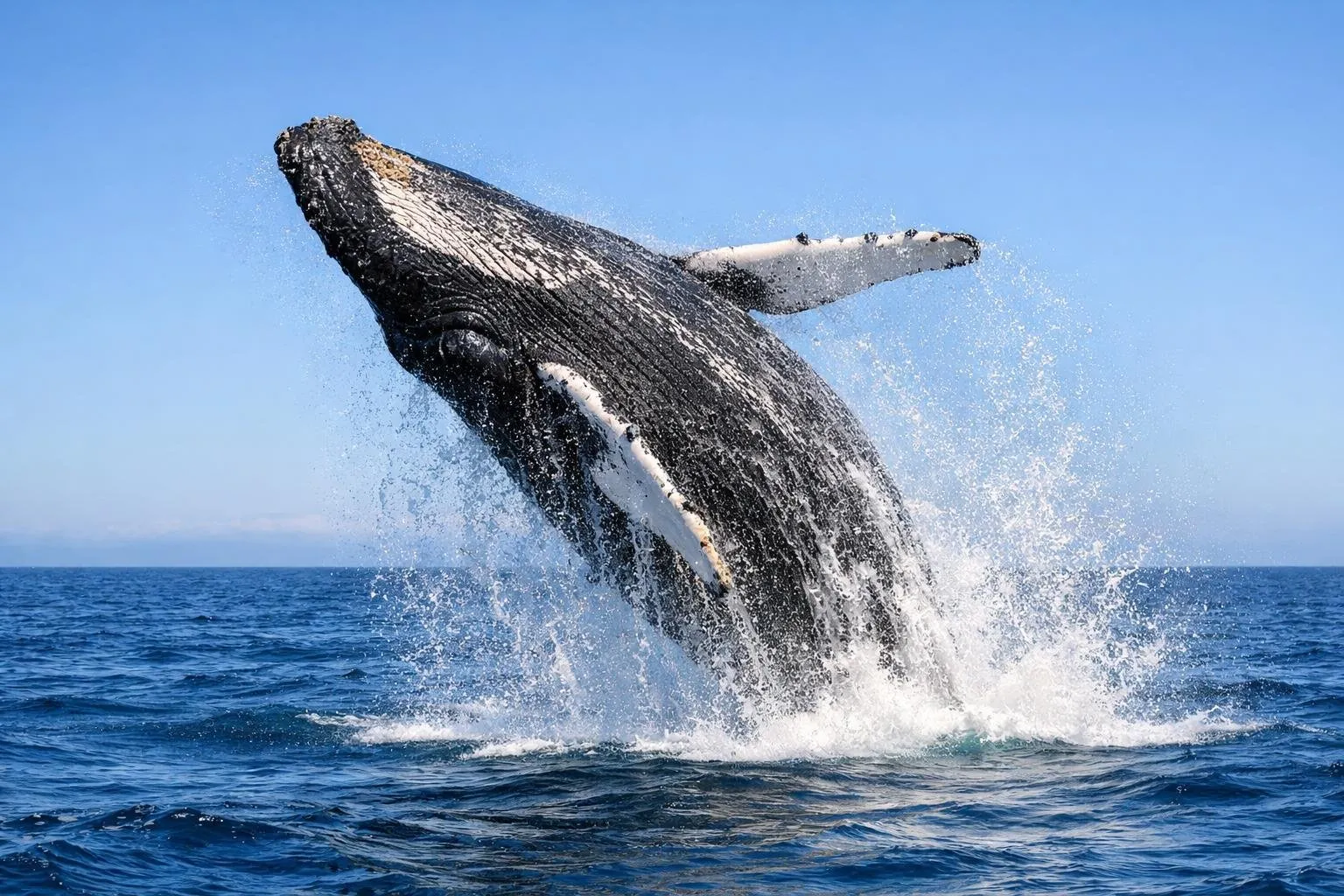
Both forms are common, and you’ll see them in books, lessons, and everyday conversations.
You might notice small differences in pronunciation or writing if you’re in Hong Kong or Taiwan. Knowing these details can help you feel more confident and understand others better.
Key Takeaways
- Mandarin uses 鲸鱼 (jīng yú) as the standard word for whale.
- People often say 鲸 (jīng) in casual conversation.
- Some regions use different pronunciations or traditional characters.
Standard Chinese Words for Whale
Mandarin Chinese has two main words for whale. One is more formal, and the other is for everyday speech or short phrases.
Formal Expression: 鲸鱼 (jīng yú)
鲸鱼 (jīng yú) is the full, standard word for whale in Mandarin. You’ll see it in textbooks, news, and scientific writing.
Dictionaries list it as the main translation, like this entry for 鲸鱼 (jīng yú) meaning whale.
The word breaks into two characters:
- 鲸 (jīng) = whale
- 鱼 (yú) = fish
Even though 鱼 means fish, whales are mammals. The name comes from old habits, not modern science.
Writers use 鲸鱼 when talking about species, size, or facts about whales. For example, a science book might say 蓝鲸 (blue whale) is the largest animal on Earth.
In formal speech and writing, 鲸鱼 feels precise and complete.
Informal Expression: 鲸 (jīng)
鲸 (jīng) is a shorter word for whale. People use it in conversation, headlines, and compound words.
A character dictionary entry for 鲸 (jīng) meaning whale shows it stands alone as a noun.
Some common phrases include:
- 巨鲸 (giant whale)
- 蓝鲸 (blue whale)
- 抹香鲸 (sperm whale)
In daily speech, you might hear 他看到一只鲸, which means “He saw a whale.” The short form feels direct and natural.
But in formal reports or school essays, people usually pick 鲸鱼. Both words mean the same animal, not a fish, and native speakers always get the meaning from context.
Regional and Dialectal Variations

Chinese-speaking regions use the same word for whale, but pronunciation and writing can shift. These changes affect how you say or read the word, not what it means.
Cantonese: 鯨魚 (king yu)
In Cantonese, people write whale as 鯨魚 and say king yu. The meaning matches Mandarin’s 鲸鱼, but the characters are in Traditional Chinese.
Cantonese speakers in Hong Kong and Guangdong use this word in daily life, in schools, and in the media.
- 鯨 = whale
- 魚 = fish
Writers in Hong Kong almost always use Traditional characters. If you read news or watch TV from Hong Kong, you’ll see 鯨魚 instead of 鲸鱼.
A guide to how to say “whale” in Chinese points out that the meaning stays the same everywhere. Only pronunciation and script really change.
Taiwanese Mandarin: 鯨魚 (ching hî)
In Taiwanese Mandarin, folks also write whale as 鯨魚. They pronounce it ching hî, a sound shaped by local speech patterns and Southern Min influence.
Schools in Taiwan teach Mandarin, but textbooks and signs use Traditional characters. That’s why you’ll see 鯨魚 in Taiwan, not the simplified version.
- 鯨 = whale
- 魚 = fish
The pronunciation shifts, but the writing matches Cantonese in script. If you watch pronunciation videos like this How to say Whale in Chinese | 鲸鱼 jing yu, you’ll notice the sound is a bit different from Taiwan speech.
In both regions, the word for whale keeps the same meaning. The main differences? Just sound and script.
Related Vocabulary and Contextual Usage

It’s easier to remember 鲸鱼 (jīng yú) when you use it in real sentences and connect it to other sea animals. Seeing examples and related words makes talking about whales, fish, and ocean life a lot smoother.
Example Sentences and Everyday Phrases
People use 鲸鱼 (jīng yú) in simple facts. For instance, “鲸鱼是哺乳动物” means “Whales are mammals.” You can hear and practice this in a basic lesson on how to say whale in Chinese.
Whales use measure words for numbers, too. The usual one is 条 (tiáo).
- 一条鲸鱼 (one whale)
- 两条鲸鱼 (two whales)
In conversation, people often drop the 鱼 and just say 鲸 (jīng). It sounds more relaxed when the meaning is obvious.
For example, “我看到一条鲸鱼” means “I saw a whale.” You can use this pattern for other sea animals too, like fish (鱼) or crab (螃蟹).
Extended Words: Killer Whale (虎鲸), Blue Whale (蓝鲸)
Chinese builds animal names by adding a descriptive word before 鲸 or 鲸鱼.
- 虎鲸 (hǔ jīng) = killer whale
- 蓝鲸 (lán jīng) = blue whale
虎 (tiger) brings a sense of strength, while 蓝 (blue) points to color. The pattern is simple: adjective + 鲸.
Writers use these names in science texts and movies. A dictionary entry for 鲸 (jīng) meaning whale also lists related words like 捕鲸 (whale hunting) and 鲸鱼 (whale).
Talking about different whales? You can say:
- 蓝鲸是最大的鲸鱼。 (The blue whale is the largest whale.)
This kind of sentence lets you compare species easily.
Contextual Connections: Other Sea Animals
Whales live in the ocean, so they often come up alongside other sea creatures.
- 鱼 (yú) = fish
- 螃蟹 (páng xiè) = crab
- 海豚 (hǎi tún) = dolphin
Even though 鲸鱼 includes the character 鱼 (fish), whales aren’t fish, they’re mammals. Tons of example sentences show this, like “鲸鱼是哺乳动物,” which you’ll spot in bilingual dictionaries such as this set of 鲸 example sentences.
- 鲸鱼比鱼大。 (Whales are bigger than fish.)
- 螃蟹生活在海里。 (Crabs live in the sea.)
These sentence patterns help you describe the ocean in clear, everyday Chinese.
Frequently Asked Questions
The Mandarin word for whale uses the characters 鲸鱼 and the pinyin jīng yú. You’ll see it in formal writing, daily talk, and study materials-and you can find audio clips online to hear how it sounds.
More ways for how to say whale in Chinese sentences:
- Chinese: 在深海中,鲸鱼用低频的歌声与同伴交流,那声音能穿越数百公里。
Pinyin: Zài shēnhǎi zhōng, jīngyú yòng dīpín de gēshēng yǔ tóngbàn jiāoliú, nà shēngyīn néng chuānyuè shù bǎi gōnglǐ.
English: In the deep ocean, whales communicate with companions using low-frequency songs that can travel hundreds of kilometers. - Chinese: 那只蓝鲸跃出水面,巨大的身躯在空中划出一道优美的弧线,又重重地落回海里。
Pinyin: Nà zhī lánjīng yuè chū shuǐmiàn, jùdà de shēnqū zài kōngzhōng huà chū yī dào yōuměi de húxiàn, yòu zhòngzhòng de luò huí hǎilǐ.
English: That blue whale leaped from the water, its massive body tracing a graceful arc through the air before crashing back into the sea. - Chinese: 纪录片里,座头鲸妈妈带着幼崽游过热带海域,温柔地守护着它。
Pinyin: Jìlùpiàn lǐ, zuòtóujīng māma dài zhe yòuzǎi yóu guò rèdài hǎiyù, wēnróu de shǒuhù zhe tā.
English: In the documentary, a humpback whale mother swims with her calf through tropical waters, gently protecting it. - Chinese: 科学家通过追踪鲸鱼的迁徙路线,研究海洋环境的变化。
Pinyin: Kēxuéjiā tōngguò zhuīzōng jīngyú de qiānxǐ lùxiàn, yánjiū hǎiyáng huánjìng de biànhuà.
English: Scientists study changes in the marine environment by tracking whale migration routes. - Chinese: 那只搁浅的鲸鱼得到了当地居民的救助,大家用湿毛巾不断给它浇水降温。
Pinyin: Nà zhī gēqiǎn de jīngyú dédào le dāngdì jūmín de jiùzhù, dàjiā yòng shī máojīn bùduàn gěi tā jiāoshuǐ jiàngwēn.
English: The stranded whale received help from local residents, who continuously poured water on it with wet towels to keep it cool.