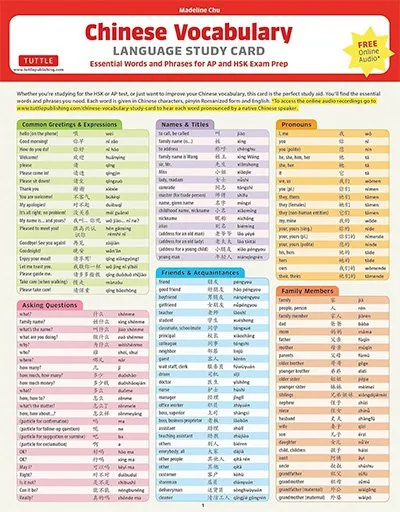
Toilet paper in Chinese is 卫生纸 (wèi shēng zhǐ), pronounced roughly “way shung jr”. 卫生 means hygiene and 纸 means paper, so the word is literally “hygiene paper”. If you are traveling or moving to China, learn this word before you land, and tuck a pack of tissues into your bag: many public restrooms in China still do not provide paper, and a traveler who cannot ask for it ends up miming at a confused cashier.
The good news is that one word solves almost everything. Say 卫生纸 in any supermarket, convenience store, or pharmacy and staff will point you straight to the right shelf. This guide gives you the exact pronunciation, the related paper words locals actually use, six ready phrases, and the practical restroom tips that keep you prepared anywhere in China.
Table of Contents
- Key Takeaways
- The Word for Toilet Paper in Chinese: 卫生纸
- Breaking Down 卫生纸 (wèi shēng zhǐ)
- Other Ways to Say It: 厕纸 and 手纸
- Related Paper Words: 纸巾, 面巾纸, 餐巾纸
- 6 Useful Phrases With 卫生纸
- At the Store
- In the Restroom
- Public Restrooms in China: Bring Your Own Paper
- Where to Buy Toilet Paper in China
- Practice Saying It Out Loud
- Frequently Asked Questions
- How do you say toilet paper in Chinese?
- What is the difference between 卫生纸, 纸巾, and 餐巾纸?
- Do public restrooms in China provide toilet paper?
- Where can I buy toilet paper in China?
- What measure word do you use with toilet paper in Chinese?
- Can you flush toilet paper in China?
Key Takeaways
- Toilet paper in Chinese is 卫生纸 (wèi shēng zhǐ); locals also say 厕纸 (cè zhǐ) and 手纸 (shǒu zhǐ).
- 纸巾 (zhǐ jīn) are pocket tissues. Carry a small pack everywhere, because many public restrooms in China have no paper.
- Ask 有卫生纸吗? (Yǒu wèi shēng zhǐ ma?) to check for paper, and use 一卷 for a roll or 一包 for a pack.
- Buy it at supermarkets, convenience stores, and pharmacies. In older buildings, throw used paper in the bin, not the bowl.
The Word for Toilet Paper in Chinese: 卫生纸
The standard word for toilet paper in Chinese is 卫生纸 (wèi shēng zhǐ). It is what you will see printed on packaging in every store, and it is what shop staff expect to hear. You can check the pronunciation audio and example sentences in the Dict.cn entry for 卫生纸.
Breaking Down 卫生纸 (wèi shēng zhǐ)
The word splits into two parts. 卫生 (wèi shēng) means hygiene or sanitation: 卫 means to guard and 生 means life or health. 纸 (zhǐ) simply means paper. So 卫生纸 is “hygiene paper”, which covers toilet paper and, in everyday speech, most soft household paper.
The tones are fourth, first, and third: wèi (falling), shēng (high and flat), zhǐ (dipping down then rising). Say it slowly as three syllables first, then speed up. If your tones wobble, the context usually saves you, since you are almost always asking for it inside a store.
Other Ways to Say It: 厕纸 and 手纸
You will also hear 厕纸 (cè zhǐ), literally “toilet paper”, from 厕所 (cè suǒ), the word for toilet. It is direct and perfectly normal in conversation. 手纸 (shǒu zhǐ), literally “hand paper”, is a casual, slightly old fashioned term that many northern speakers use at home.
All three point to the same product, so do not stress about picking one. Use 卫生纸 with strangers and staff, and you will start noticing 厕纸 and 手纸 in chats with Chinese friends. If you want the room itself, our guides to the word for toilet (马桶) and bathroom (卫生间) cover that side.
Related Paper Words: 纸巾, 面巾纸, 餐巾纸
China’s paper vocabulary is more precise than English, and the distinctions matter at the shelf. 纸巾 (zhǐ jīn) are tissues, including the small pocket packs that locals carry everywhere. 面巾纸 (miàn jīn zhǐ) are facial tissues, the boxed kind you keep at home.
餐巾纸 (cān jīn zhǐ) are table napkins, the flimsy squares restaurants hand out with meals. Our post on napkin in Chinese (餐巾纸) goes deeper on that one. A useful rule: for the restroom you want 卫生纸, for your bag you want 纸巾, and for the dinner table you want 餐巾纸.
6 Useful Phrases With 卫生纸
Here are six phrases that cover every real situation: buying paper, checking for it, and finding the restroom in the first place. Read them out loud a few times now, and they will be there when you need them.
At the Store
我要买卫生纸。 (Wǒ yào mǎi wèi shēng zhǐ.) “I want to buy toilet paper.” Walk up to any staff member and say this; they will walk you to the aisle.
请问,卫生纸在哪里? (Qǐng wèn, wèi shēng zhǐ zài nǎ lǐ?) “Excuse me, where is the toilet paper?” The polite opener 请问 works with anyone.
一包纸巾多少钱? (Yī bāo zhǐ jīn duō shǎo qián?) “How much is a pack of tissues?” Swap 纸巾 for 卫生纸 when you are holding a roll instead.
In the Restroom
有卫生纸吗? (Yǒu wèi shēng zhǐ ma?) “Is there any toilet paper?” Use it with restaurant staff before you commit to the restroom, or shout it to a friend outside the stall.
没有纸了。 (Méi yǒu zhǐ le.) “There is no paper left.” Short, clear, and everyone understands the urgency.
厕所在哪里? (Cè suǒ zài nǎ lǐ?) “Where is the toilet?” The single most survival critical question in China. Learn it together with the paper words, not separately.
Public Restrooms in China: Bring Your Own Paper
Here is the honest picture. Many public restrooms in China, especially in older neighborhoods, parks, train stations, and small restaurants, do not stock toilet paper. Locals know this, which is why pocket tissue packs are sold at every checkout counter and why experienced travelers never leave the hotel without one.
Things are improving fast. China’s “toilet revolution”, a nationwide campaign to upgrade public restrooms, has pushed cities to add paper dispensers, and Sixth Tone’s report on the toilet revolution describes how newer facilities even track supplies digitally. Language learners rank the situation as genuinely important too: DigMandarin puts 卫生纸 first on its list of crucial travel phrases.

One more local habit to copy. In many buildings the plumbing is narrow, so used paper goes into the small bin (纸篓) beside the toilet, not into the bowl. Signs often ask for this directly. Follow the local rule and you will never be the person who floods a restaurant bathroom.
Where to Buy Toilet Paper in China
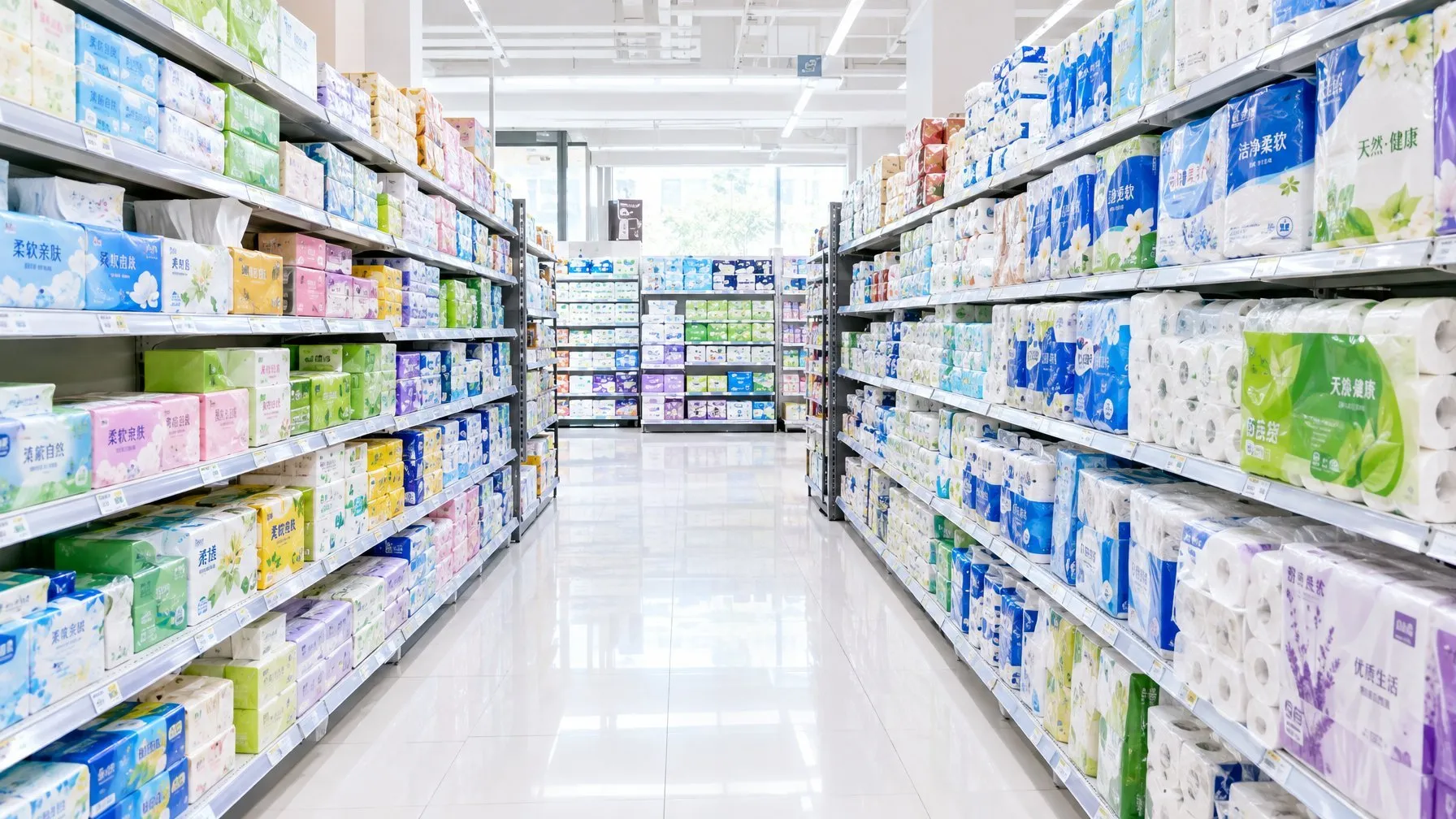
You can buy 卫生纸 almost everywhere. Every supermarket (超市) has a full paper aisle with brands like 清风, 维达, and 心相印, usually next to cleaning supplies. Convenience stores (便利店) such as FamilyMart, Lawson, and 7-Eleven stock small rolls and pocket tissues near the counter.
A pharmacy (药店) will often carry travel packs too, which is handy late at night. If you are stocking up for your apartment, delivery apps like Meituan or JD bring a twelve roll pack to your door in under an hour. While you are in the paper aisle, the same shelves hold shampoo (洗发水) and toothpaste (牙膏), so you can finish the whole toiletries run in one stop.
Picture yourself on day one: you walk into a supermarket, ask 卫生纸在哪里?, and walk out with a pack in your bag. That small win is what this word buys you. Skip it, and you are back to pointing at shelves and hoping.
Practice Saying It Out Loud
Vocabulary sticks when your mouth has said it, not just when your eyes have read it. Stand up and run the six phrases above out loud, then drill the three tone pattern of wèi shēng zhǐ ten times: falling, flat, dipping. Record yourself once and compare it to a dictionary audio clip.
If you want a teacher to check your tones on 卫生纸 before your trip, book a discounted trial lesson on italki and put today’s vocabulary to work. New users get $10 in credits after their first purchase, which comfortably covers a first session. A tutor can also role play the exact scenes from this post: the supermarket aisle, the restaurant restroom, the awkward 没有纸了 moment.
The payoff is simple. After one week of short practice, you will walk into any shop in China and ask for what you need in full sentences, instead of hunting for a translation app in the aisle.
Frequently Asked Questions
How do you say toilet paper in Chinese?
Toilet paper in Chinese is 卫生纸 (wèi shēng zhǐ). It is the standard term used on packaging and in stores. Locals also say 厕纸 (cè zhǐ) and, more casually, 手纸 (shǒu zhǐ). Any of the three will be understood everywhere in mainland China.
What is the difference between 卫生纸, 纸巾, and 餐巾纸?
卫生纸 is toilet paper, sold in rolls for the restroom. 纸巾 are tissues, including pocket packs and boxed facial tissues. 餐巾纸 are table napkins used at meals. In daily life people mix the first two loosely, but stores shelve them separately, so using the right word gets you to the right aisle faster.
Do public restrooms in China provide toilet paper?
Often they do not, especially in older buildings, small restaurants, parks, and some train stations. Newer malls, airports, and upgraded city restrooms usually have dispensers. The safe habit is the local one: carry a small pack of 纸巾 in your bag or pocket every day.
Where can I buy toilet paper in China?
Supermarkets, convenience stores, and many pharmacies all stock it, and delivery apps like Meituan bring bulk packs to your door quickly. Ask a staff member 卫生纸在哪里? (Where is the toilet paper?) and you will be pointed to the right aisle immediately.
What measure word do you use with toilet paper in Chinese?
Use 卷 (juǎn) for rolls: 一卷卫生纸 is one roll of toilet paper. Use 包 (bāo) for packs: 一包纸巾 is a pack of tissues. For a single sheet, use 张 (zhāng): 一张纸, one sheet of paper.
Can you flush toilet paper in China?
In many places, no. Older plumbing is narrow, so used paper goes in the small bin (纸篓) next to the toilet, and restrooms often post signs asking you to do exactly that. Modern hotels, airports, and new malls usually allow flushing. When in doubt, follow the sign or watch what the bin tells you.