
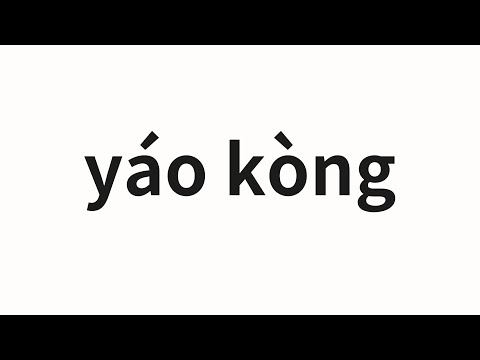
Learning how to say common household items in Chinese is a great way to build practical vocabulary. The word for how to say remote control in Chinese is 遥控器 (yáo kòng qì), which literally means “device for distant control.”
This term pops up everywhere in modern Chinese life, from controlling televisions to air conditioners. It’s hard to imagine daily life in China without it.
Table of Contents

The word 遥控器 combines three characters, and each one adds to the meaning. When you see how these characters work together, it gets easier to remember and use the word.
Anyone learning Chinese will run into this word all the time. Remote controls are everywhere: homes, offices, hotels, you name it.
This guide dives into pronunciation, character meanings, and how native speakers actually use this term. You’ll see real examples and pick up some extra vocabulary for Chinese technology terms along the way.
Key Takeaways
- The Chinese term for remote control is 遥控器 (yáo kòng qì), made up of characters for distant, control, and device.
- People use this word all the time in everyday conversations about TVs, air conditioners, and electronics.
- Breaking down the characters helps learners remember and use the word in real-life situations.
The Correct Chinese Translation for Remote Control

The Chinese word for remote control is 遥控器 (yáo kòng qì). It brings together three characters that mean “distant control device.”
You’ll see this term in both simplified and traditional Chinese, though the characters look a bit different depending on the region.
Common Usage in Daily Life
The term 遥控器 (yáo kòng qì) is what Chinese speakers say for any remote control device. People use it for TV remotes, air conditioner controllers, and just about any household electronic gadget that needs one.
In Chinese homes and offices, the 空调遥控器 (kōng tiáo yáo kòng qì), or AC remote, comes up a lot because so many rooms have their own air conditioners. If you want to talk about a TV remote, you’d use 电视遥控器 (diàn shì yáo kòng qì).
There’s also a shortened form, 遥控 (yáo kòng), which means “remote control” as a noun or verb. Still, 遥控器 is more specific when you mean the actual device in your hand. Both terms work, but 遥控器 makes it clear you’re talking about the physical controller.
Simplified vs. Traditional Characters
The word looks different based on which Chinese writing system you use:
| Writing System | Characters | Used In |
|---|---|---|
| Simplified | 遥控器 | Mainland China, Singapore |
| Traditional | 遙控器 | Taiwan, Hong Kong, Macau |
The first character is 遥 in simplified Chinese and 遙 in traditional. The other two characters (控器) stay the same. This only matters for writing, the pronunciation doesn’t change at all.
Pronunciation and Pinyin
The pronunciation of 遥控器 in pinyin is yáo kòng qì. Each part has its own tone, and nailing those makes a big difference.
The first syllable, yáo, uses the second tone, which rises like you’re asking a question. The second, kòng, drops sharply with the fourth tone. The last, qì, also uses the fourth tone, so it falls too.
Breaking it down: 遥 (yáo) means “distant” or “far away.” 控 (kòng) means “control.” 器 (qì) means “device” or “instrument.” Put them together and you get “distant control device.” Makes sense, right?
Breaking Down the Chinese Term for Remote Control
The Chinese word for remote control, 遥控器 (yáo kòng qì), brings together three characters that literally mean “distant control device.” Each character adds a piece to the puzzle.
Character Meanings and Components
遥控器 consists of three characters that make a logical description. The first, 遥 (yáo), is “distant” or “remote.” The next, 控 (kòng), means “control” or “to manage.”
The last character, 器 (qì), means “device” or “tool.” Together, these characters say exactly what the thing does, a device for controlling something from a distance.
You can also use the shorter form 遥控 (yáo kòng) when you’re talking about remote control as a verb or general idea, not the physical device. In Traditional Chinese, the same word is written 遙控器, with slightly different forms but the same sound and meaning.
Stroke Order for Chinese Characters
Writing Chinese characters means following specific stroke patterns. The character 遥 has 13 strokes in its simplified version, starting from the left radical and moving to the right.
控 has 11 strokes, beginning with the hand radical (扌) on the left. The last one, 器, is the trickiest, 16 strokes, with four mouth radicals (口) arranged just so.
Getting the stroke order right helps with character recognition and makes your handwriting look good. Most learners start with the easier 控 before tackling the full word.
Usage Examples and Related Terms

Chinese words for remote control show up in everyday tech talk and more specialized settings. Knowing how to use these terms in sentences, and spotting related words, helps you sound more natural when talking about remote-controlled gadgets.
Contextual Sentences in Mandarin
遥控 (yáo kòng) works as both a verb and a noun. If you want someone to hand you the TV remote, you’d say “把遥控器给我” (bǎ yáo kòng qì gěi wǒ), that’s “give me the remote control.”
The term pops up in technical settings too. “这个无人机可以遥控” (zhè ge wú rén jī kě yǐ yáo kòng) means “this drone can be remote controlled.” When you’re talking about controlling something from afar, 遥控 is the word you’ll hear.
At home, you might say “遥控器没电了” (yáo kòng qì méi diàn le) “the remote control has no battery.” When you want to be specific about the device, use the full term 遥控器 (yáo kòng qì).
Related Vocabulary and Synonyms
There are a few Chinese words for remote control, each with its own nuance. 远程控制 (yuǎn chéng kòng zhì) is more technical, often used in professional or industrial talk.
The character breakdown is pretty straightforward: 遥 (yáo) means “distant,” and 控 (kòng) means “control.” Combine them, and you get the basic idea, controlling something from far away.
遥控系统 (yáo kòng xì tǒng) means “remote control system,” and you’ll see it in engineering or tech documents. Add the suffix 器 (qì) to 遥控 and you get yáo kòng qì (遥控器), which specifically points to the handheld device. Other useful terms: 电视遥控器 (diàn shì yáo kòng qì) for TV remote, and 空调遥控器 (kōng tiáo yáo kòng qì) for air conditioner remote.
Specialized Devices: Remote Control Car
A remote control car in Chinese is 遥控汽车 (yáo kòng qì chē). People also use 遥控车 (yáo kòng chē) for short.
Kids and hobbyists toss these terms around all the time when talking about RC vehicles. The phrase “玩遥控车” (wán yáo kòng chē) means “to play with a remote control car.”
Parents out shopping for toys might ask, “有遥控汽车吗?” (yǒu yáo kòng qì chē ma). That just means, “Do you have remote control cars?”
For other types of vehicles, the pattern stays the same. 遥控飞机 (yáo kòng fēi jī) means remote control airplane.
遥控船 (yáo kòng chuán) is a remote control boat. Hobby shops usually put these under 遥控玩具 (yáo kòng wán jù), which covers all remote control toys.
Frequently Asked Questions
The Mandarin term for remote control is 遥控器 (yáo kòng qì). This word combines characters for distant, control, and device.
You can ask for it with simple questions or mention specific devices, like TV or air conditioner remotes.
More advanced ways for how to say remote control in Chinese sentences:
- Chinese: 他把遥控器放在茶几上,然后坐下来开始看电视。
Pinyin: Tā bǎ yáokòng qì fàng zài chájǐ shàng, ránhòu zuò xiàlái kāishǐ kàn diànshì.
English: He placed the remote control on the coffee table and sat down to watch TV. - Chinese: 遥控器的电池没电了,我需要去换新的。
Pinyin: Yáokòng qì de dàn池 méiydiàn le, wǒ xūyào qù huàn xīn de.
English: The remote control’s batteries are dead, and I need to replace them. - Chinese: 孩子们为了抢遥控器争吵起来,最后决定用猜拳决定谁来控制电视。
Pinyin: Hái zimen wèile qiǎng yáokòng qì chēngzhāo qǐlái, zuìhòu juédìng yòng cāiquán juédìng shéi lái kòngzhì diànshì.
English: The children argued over the remote control and finally decided to use rock-paper-scissors to determine who would control the TV. - Chinese: 我在沙发上找到了丢失的遥控器,它居然一直在我的背后。
Pinyin: Wǒ zài shāfā shàng zhǎodào le diūshī de yáokòng qì, tā jūrán yízhí zài wǒ de hòubèi.
English: I found the lost remote control on the sofa; it had been behind me all along. - Chinese: 他按下遥控器上的按钮,空调立刻调整到了舒适的温度。
Pinyin: Tā àn xià yáokòng qì shàng de ànniǔ, kōngtiáo lìkè tiáozhěng dào le shūshì de wēndù.
English: He pressed the button on the remote control, and the air conditioner immediately adjusted to a comfortable temperature.













