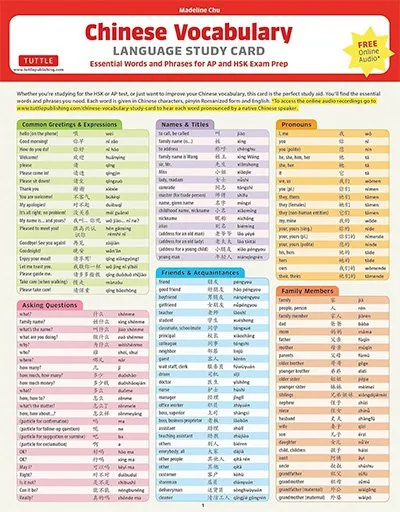
The word for how to say horse in Chinese is 马 (mǎ). It’s one of those beginner basic, instantly recognizable characters in simplified Mandarin Chinese.
This single character represents the animal in both formal writing and everyday conversation throughout China.
Table of Contents

The character 马 pops up in tons of Chinese expressions and idiomatic phrases, not just when talking about the animal. Getting the third tone right is key if you want to sound natural to native speakers.
The word 马 also has a ton of cultural weight in Chinese history and language. It’s not just a word, it’s a symbol that keeps showing up everywhere.
This guide lays out the formal term, some casual twists, pronunciation tips, and examples of 马 in real sentences. There are even a few regional quirks and cultural tidbits thrown in, because why not?
Key Takeaways
- The standard Mandarin Chinese word for horse is 马 (mǎ). People use it in both formal and informal situations.
- Pronounce it with the third tone. Informal versions like 马儿 (mǎr) give conversations a friendlier vibe.
- 马 shows up in many Chinese expressions and holds a special place in the language and culture.
How to Say Horse in Chinese
The Chinese word for horse is 马 (mǎ). It’s a simple character, and you’ll see it in both writing systems.
Pay close attention to the tone when you say it. People often switch between formal and casual forms depending on who they’re talking to.
Mandarin Pronunciation and Tones
The standard Mandarin term for horse is pronounced “mǎ” with the third tone. This tone starts at a mid pitch, dips down, and then rises a bit.
If you use the wrong tone, you might say something totally different. For example, mā (first tone) means “mother,” má (second tone) means “hemp,” and mà (fourth tone) means “to scold.”
It helps to practice the third tone’s dipping and rising motion. Try to keep your tongue relaxed, forcing it just makes it sound weird.
Simplified and Traditional Characters
The character 马 does not look the same in both simplified and traditional Chinese writing systems, though. The traditional form is a bit more complicated:
- Simplified: 马 (mǎ)
- Traditional: 馬 (mǎ)
This character actually comes from ancient pictographs. The old version looked a bit like a horse, with legs and a mane, but over time it got trimmed down to just three strokes.
| Writing System | Character | Stroke Count |
|---|---|---|
| Simplified | 马 | 3 |
| Traditional | 馬 | 10 |
The traditional form 馬 has more strokes and keeps more of the original pictograph’s detail. In mainland China, you’ll see the simplified version, but in Taiwan and Hong Kong, people stick with the traditional one.
Formal and Informal Expressions
People use 马 (mǎ) as the standard term in formal writing, business, and official settings. It works for academic papers and professional chats, too.
In casual conversations, you might hear 马儿 (mǎr), which adds a friendly, almost affectionate twist. Friends and family use this when talking about horses in stories or as pets.
There’s also 老马 (lǎo mǎ), which means “old horse.” Folks use it to describe someone experienced, kind of like saying “veteran” in English.
Another one is 马上 (mǎ shàng), which literally means “on horseback,” but everyone uses it to mean “right away.”
Usage and Example Sentences
Getting comfortable with using 马 (mǎ) in sentences is a big step. You’ll see it in daily conversations, idioms, and all sorts of phrases about horses and horse activities.
Common Sentences Involving ‘Horse’
马 works in lots of basic sentences. “我喜欢马” (wǒ xǐ huān mǎ) means “I like horses.” Simple, right?
For horse riding, people say “骑马” (qí mǎ), which is just “ride horse.” “他会骑马” (tā huì qí mǎ) means “He can ride a horse.”
If you want to say “I want to go horse riding,” it’s “我想去骑马” (wǒ xiǎng qù qí mǎ). Horse racing is “赛马” (sài mǎ), and “他们喜欢看赛马” (tā men xǐ huān kàn sài mǎ) means “They like to watch horse racing.”
Talking about a bunch of horses? Say “很多马” (hěn duō mǎ), which is “many horses.”
Useful Phrases with 马
马 pops up in lots of handy phrases. “马上” (mǎ shàng) literally means “on horseback” but people use it for “immediately” or “right away” all the time.
The phrase “马车” (mǎ chē) means “horse cart” or “carriage.” “马力” (mǎ lì) is “horsepower” and comes up when talking about engines. “马路” (mǎ lù) means “road” or “street” literally, it’s got the character for horse in it.
If you want to say someone’s experienced, try “老马识途” (lǎo mǎ shí tú), which means an old horse knows the way. And don’t forget the informal “马儿” (mǎr) when chatting about horses with friends.
Idioms and Colloquial Uses
Chinese idioms love using 马. “一马当先” (yī mǎ dāng xiān) means “one horse takes the lead” it’s for describing someone who jumps in first or leads the way.
“马马虎虎” (mǎ mǎ hū hū) is a classic for saying “so-so” or “careless.” It’s what you’d say about mediocre work. “走马观花” (zǒu mǎ guān huā) is “looking at flowers while riding a horse,” which basically means taking a quick, superficial look at something.
The phrase “塞翁失马” (sài wēng shī mǎ) comes from an old story about a guy who lost his horse. It’s a way of saying that bad luck might turn out to be good in the end. “千军万马” (qiān jūn wàn mǎ) means “thousands of troops and horses” or a huge, powerful force.
Additional Context and Cultural Insights
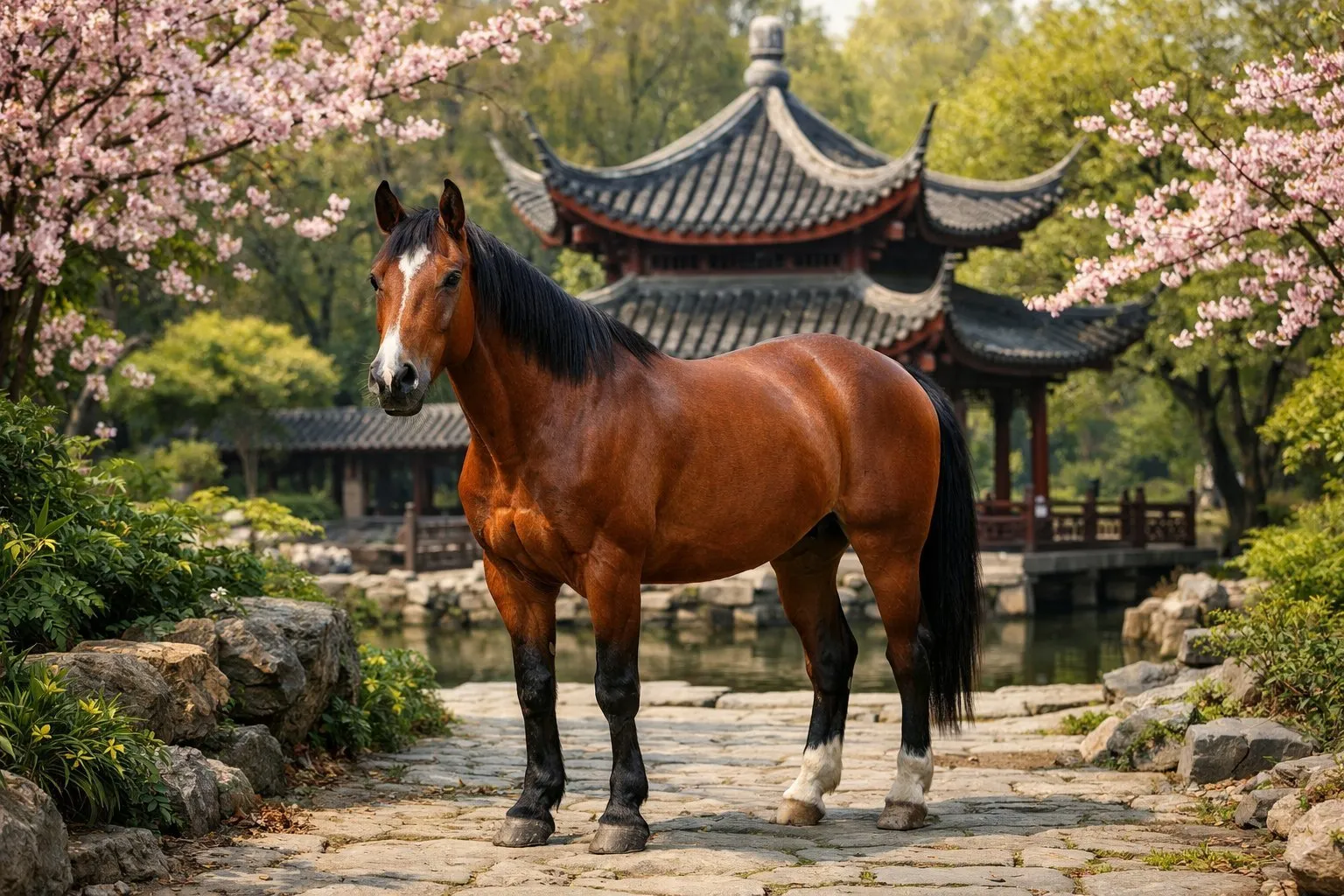
The character 马 shows up in tons of compound words and is a building block in Chinese. Horses have always meant strength, loyalty, and success in Chinese culture, pretty cool, right?
Words and Compounds with 马
马 teams up with other characters to make loads of common words. 马上 (mǎ shàng) literally means “on horseback,” but people use it every day for “immediately.”
马路 (mǎ lù) is “horse road,” but it’s just a street or road in today’s Chinese. 斑马 (bān mǎ) means “striped horse,” which is “zebra.”
Other good ones: 马车 (mǎ chē) for horse-drawn carriage, 骑马 (qí mǎ) for riding a horse, and 马力 (mǎ lì) for horsepower. These words show how 马 goes way beyond just the animal.
马 as a Radical in Chinese Characters
马 works as a radical in lots of characters about horses and riding. A radical is just a key part of a character that hints at its meaning or how to say it.
You’ll see it in characters like 骑 (qí, to ride), 驰 (chí, to gallop), and 驾 (jià, to drive). The traditional horse radical has a few more strokes than the simplified one.
If you learn to spot 马 as a radical, you’ll pick out horse-related words much faster. That’s a huge help for reading about animals, transport, or history with horses.
Cultural Significance of Horses in China
Horses stand for energy, speed, and success in Chinese culture. People started domesticating horses in China over 5,000 years ago, so they’re woven deep into the culture.
During the Han Dynasty, armies had about 300,000 horses. The horse is one of the twelve Chinese zodiac animals, and folks born in horse years (like 2014 or 2026) are said to be outgoing and confident.
Colors matter, too. Black horses mean power and mystery, while white ones stand for purity and luck. The character 马 even looks a bit like a standing horse. You’ll find horses in loads of idioms and sayings, they’ve left their hoofprints all over the language.
Frequently Asked Questions
The Chinese word for horse has its own pronunciation rules, deep cultural meaning in zodiac symbolism (similar to dragons) and philosophy, and a long written history. Unlike whales, which have almost no cultural significance.
Advanced ways for how to say horse in Chinese sentences:
- Chinese: 他骑着马在草原上飞驰,风吹起他的衣襟,像一幅动态的油画。
Pinyin: Tā qí zhe mǎ zài cǎoyuán shàng fēichí, fēng chuī qǐ tā de yījin, xiàng yí fú dòngtài de yóuhuà.
English: He gallops on horseback across the grassland, the wind billowing his clothes like a living oil painting. - Chinese: 这匹马的毛色光滑如缎,阳光下闪耀着珍珠般的光泽。
Pinyin: Zhe pǐ mǎ de máosè gānhuá rú diàn, yángguāng xià shǎnyào zhe zhēnzhū bān de guāngzé.
English: The horse’s coat is as smooth as silk, shimmering with a pearlescent sheen in the sun. - Chinese: 他在画布上描绘一匹奔腾的马,每一笔都充满了力量与速度感。
Pinyin: Tā zài huábù shàng miáohuì yí pǐ bēnténg de mǎ, měi yī bǐ dōu chōngmǎn le lìliàng yǔ sùdù gǎn.
English: He paints a galloping horse on the canvas, each stroke brimming with power and speed. - Chinese: 马术表演中,骑士与马完美配合,完成了一个又一个高难度动作。
Pinyin: Mǎshù biǎoyǎn zhōng, qíshì yǔ mǎ wánměi pèihé, wánchéng le yí gè yòu yí gè gāonán dù dòngzuò.
English: In the equestrian show, the rider and horse performed intricate moves in flawless harmony. - Chinese: 传说中,这匹马能日行千里,夜行八百,是古代最快的坐骑之一。
Pinyin: Chuánshuō zhōng, zhè pǐ mǎ néng rì xíng qiān lǐ, yè xíng bā bǎi, shì gǔdài zuì kuài de zuòqí zhī yī.
English: Legend has it that this horse could travel a thousand miles by day and eight hundred by night, making it one of the fastest steeds in ancient times.