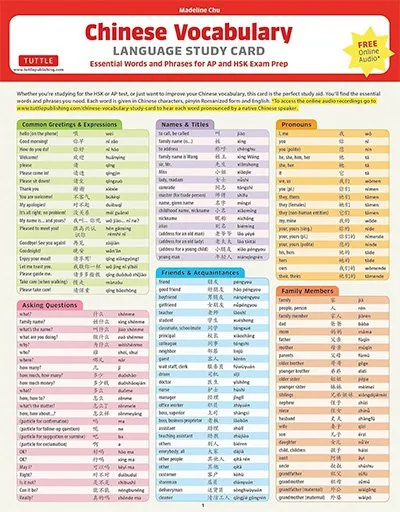
Detergent in Chinese is 洗衣液 (xǐ yī yè) for liquid laundry detergent and 洗衣粉 (xǐ yī fěn) for washing powder. Walk into any supermarket in China, ask 洗衣液在哪里?(xǐ yī yè zài nǎ lǐ?, Where is the laundry detergent?), and staff will point you to the right aisle. If you want the general word, 洗涤剂 (xǐ dí jì) means detergent of any kind.
That one bottle solves a real expat problem: laundry day in China usually means a washing machine at home and a drying rack on the balcony, so you will buy detergent again and again. Below you get the word broken down character by character, the related words for powder, dish soap and softener, the brands you will actually see on shelves, six ready to use phrases, and where to buy it all.
Table of Contents
Key Takeaways
- Say 洗衣液 (xǐ yī yè) for liquid laundry detergent and 洗衣粉 (xǐ yī fěn) for washing powder; both sit in the same supermarket aisle.
- The general word is 洗涤剂 (xǐ dí jì); do not confuse it with 洗洁精 (xǐ jié jīng), which is dishwashing liquid.
- Common brands are 蓝月亮 (Blue Moon), 立白 (Liby), 汰渍 (Tide) and 奥妙 (OMO); 蓝月亮 is the default liquid choice for many families.
- Most Chinese homes dry laundry on a balcony rack instead of a dryer, and a 干洗店 (gān xǐ diàn, dry cleaner) handles delicate items.
- Use measure words 瓶 (bottle), 袋 (bag) and 块 (bar) to ask for exactly what you want.
The word for detergent in Chinese
The everyday word you want is 洗衣液 (xǐ yī yè), liquid laundry detergent. If you prefer powder, ask for 洗衣粉 (xǐ yī fěn). Both translations appear in the Cambridge Dictionary entry for laundry detergent, and both words are understood everywhere in China.
Breaking down 洗衣液
洗 (xǐ) means to wash, 衣 (yī) means clothes, and 液 (yè) means liquid. Put them together and 洗衣液 is literally clothes washing liquid. The character 洗 shows up in nearly every laundry word you will need, from 洗衣服 (to do laundry) to 洗衣机 (washing machine); the Ninchanese entry for 洗 lists more than a hundred related words built on it.
洗衣粉 swaps 液 for 粉 (fěn, powder), so the pattern is easy: 洗衣液 is liquid, 洗衣粉 is powder. Learn that pattern once and you can read half the bottles in the aisle without a dictionary.
Related words: powder, dish soap, softener, pods
The detergent shelf holds a few lookalikes that trip up new arrivals. 洗涤剂 (xǐ dí jì) is the formal umbrella word for detergent. 洗洁精 (xǐ jié jīng) is dishwashing liquid, not laundry detergent. 柔顺剂 (róu shùn jì) is fabric softener, and 洗衣凝珠 (xǐ yī níng zhū) are laundry pods. A bar of laundry soap is 洗衣皂 (xǐ yī zào), a cousin of the soap (肥皂) you use at the sink.
Detergent brands you will see in China
The big local names are 蓝月亮 (Lán Yuè Liàng, Blue Moon), famous for liquid detergent, and 立白 (Lìbái, Liby), strong in powder. International brands wear Chinese names too: 汰渍 (Tàizì) is Tide and 奥妙 (Àomiào) is OMO. 白猫 (Báimāo, White Cat) covers dish soap and detergent. When in doubt, point at the big blue 蓝月亮 bottle and you will rarely go wrong.
6 useful detergent phrases
Memorize these six and the whole detergent errand runs in Chinese, from finding the aisle to reporting an empty bottle at home.
At the store
- 洗衣液在哪里? (xǐ yī yè zài nǎ lǐ?) : Where is the laundry detergent?
- 有洗衣粉吗? (yǒu xǐ yī fěn ma?) : Do you have washing powder?
- 这个多少钱? (zhè ge duō shǎo qián?) : How much is this one?
On laundry day
- 我要洗衣服。 (wǒ yào xǐ yī fu.) : I need to do the laundry. See our full guide to saying laundry in Chinese for more.
- 洗衣液用完了。 (xǐ yī yè yòng wán le.) : The detergent is used up.
- 这件要干洗。 (zhè jiàn yào gān xǐ.) : This piece needs dry cleaning.
Say 洗衣液用完了 at home and your roommate knows the errand is theirs next time. That is the moment the vocabulary stops being flashcard material and starts running your household.
Laundry culture in China: balconies beat dryers
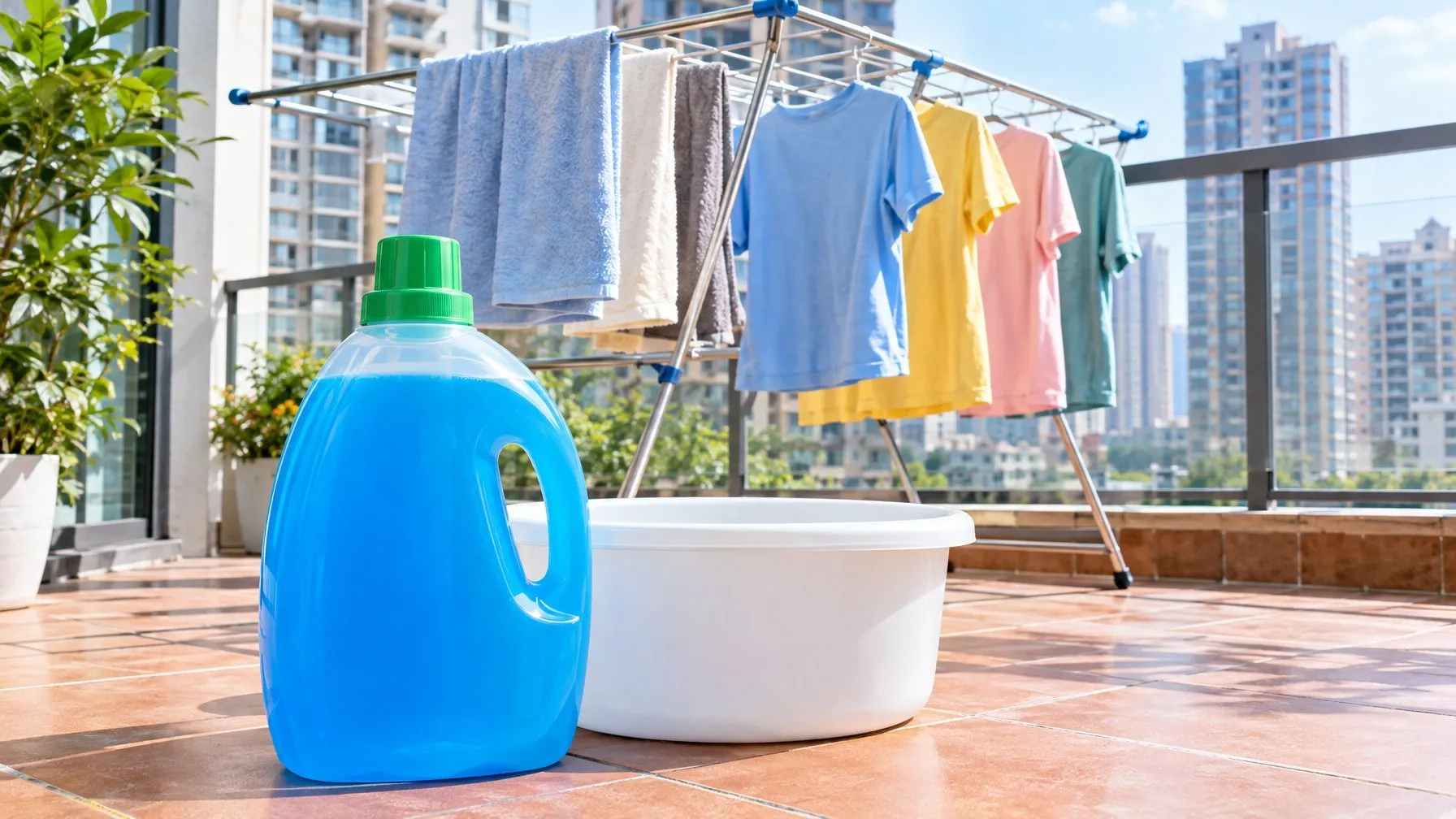
Most Chinese homes own a washing machine (洗衣机) but no dryer. Laundry goes from the machine to a metal rack on the balcony, which is why the detergent aisle matters more than the dryer sheet aisle. Sun drying is free, gentle on fabric, and simply the default in cities across the country.
Travelers adapt fast to the same rhythm. A Sapore di Cina guide to cycling across China describes washing clothes in hotel sinks or in hosts’ washing machines, exactly what long term travelers end up doing. For suits, silk and winter coats, every neighborhood has a 干洗店 (gān xǐ diàn), a dry cleaner, where 干洗 (gān xǐ, dry cleaning) costs a few dollars per piece.
Once you know this, the shopping list writes itself: liquid detergent for the machine, a bar of 洗衣皂 for hand washing delicates, and the dry cleaner’s phone number for everything else. Skip the vocabulary and you will keep paying expat import store prices for products you cannot even name.
Where to buy detergent in China
Every supermarket (超市) stocks a full detergent aisle, usually next to shampoo and across from toilet paper. Neighborhood convenience stores carry small bottles of 蓝月亮, and online platforms like Taobao and JD deliver big refill bags the same day.

Prices are friendly: a standard bottle of liquid detergent runs about 20 to 40 yuan, and refill pouches cost less. Buy the bottle once, then keep the pouches coming, which is what most local families do.
Practice saying it out loud
Reading 洗衣液 silently is one thing; saying it to a clerk under fluorescent lights is another. Run the phrases above out loud three times each, paying attention to the third tone on 洗 (xǐ) dipping before the first tone on 衣 (yī).
If you want a rehearsal before the real errand, book a lesson with a native Chinese teacher on italki and role play the whole supermarket scene: asking for the aisle, comparing liquid and powder, checking the price. Ten minutes of practice turns your first detergent run into a conversation instead of a guessing game.
Frequently Asked Questions
How do you say detergent in Chinese?
Liquid laundry detergent is 洗衣液 (xǐ yī yè) and washing powder is 洗衣粉 (xǐ yī fěn). The general term for any detergent is 洗涤剂 (xǐ dí jì). In a store, 洗衣液 is the word staff hear most often.
What is the difference between 洗衣液 and 洗衣粉?
洗衣液 is liquid detergent, gentle and easy to dissolve, while 洗衣粉 is powder, usually cheaper and stronger on heavy stains. Liquid dominates city supermarkets today, and most young families buy 洗衣液 by default.
Is 洗洁精 laundry detergent?
No. 洗洁精 (xǐ jié jīng) is dishwashing liquid for plates and bowls. It sits near the laundry products in many stores, which causes classic mix ups. For clothes, look for 衣 in the name: 洗衣液 or 洗衣粉.
How do you say dry cleaning in Chinese?
Dry cleaning is 干洗 (gān xǐ), literally dry wash, and a dry cleaner’s shop is 干洗店 (gān xǐ diàn). Tell the clerk 这件要干洗 (this piece needs dry cleaning) when you drop off delicate items.
Which measure word do I use for detergent?
Use 瓶 (píng) for a bottle: 一瓶洗衣液. Use 袋 (dài) for a bag or refill pouch: 一袋洗衣粉. For a bar of laundry soap, use 块 (kuài): 一块洗衣皂.
Where can I buy detergent in China?
Any supermarket (超市) has a detergent aisle, convenience stores stock small bottles, and Taobao or JD deliver bottles and refill pouches to your door. For imported brands, look in larger international supermarkets or online flagship stores.