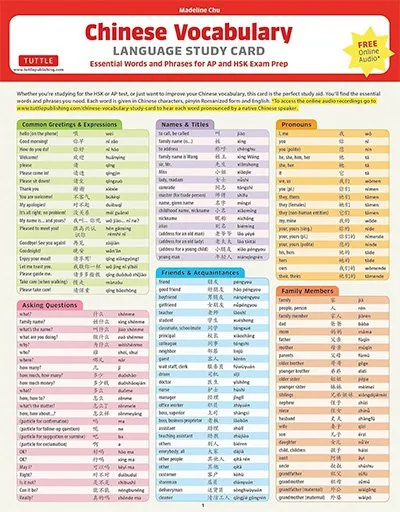
I drink coffee every day; I also study Chinese every day. Knowing how to say coffee in Chinese can open up new opportunities for language learners and coffee enthusiasts alike.
Whether you’re planning a trip to China or simply want to impress your Mandarin-speaking friends, knowing how to order your favorite brew is a valuable skill. (Hint: mine is cold brewed coffee. Yes, even during the winter.)
The word for coffee in Mandarin Chinese is “kāfēi” (咖啡), pronounced similar to “kah-fay” in English.
Table of Contents
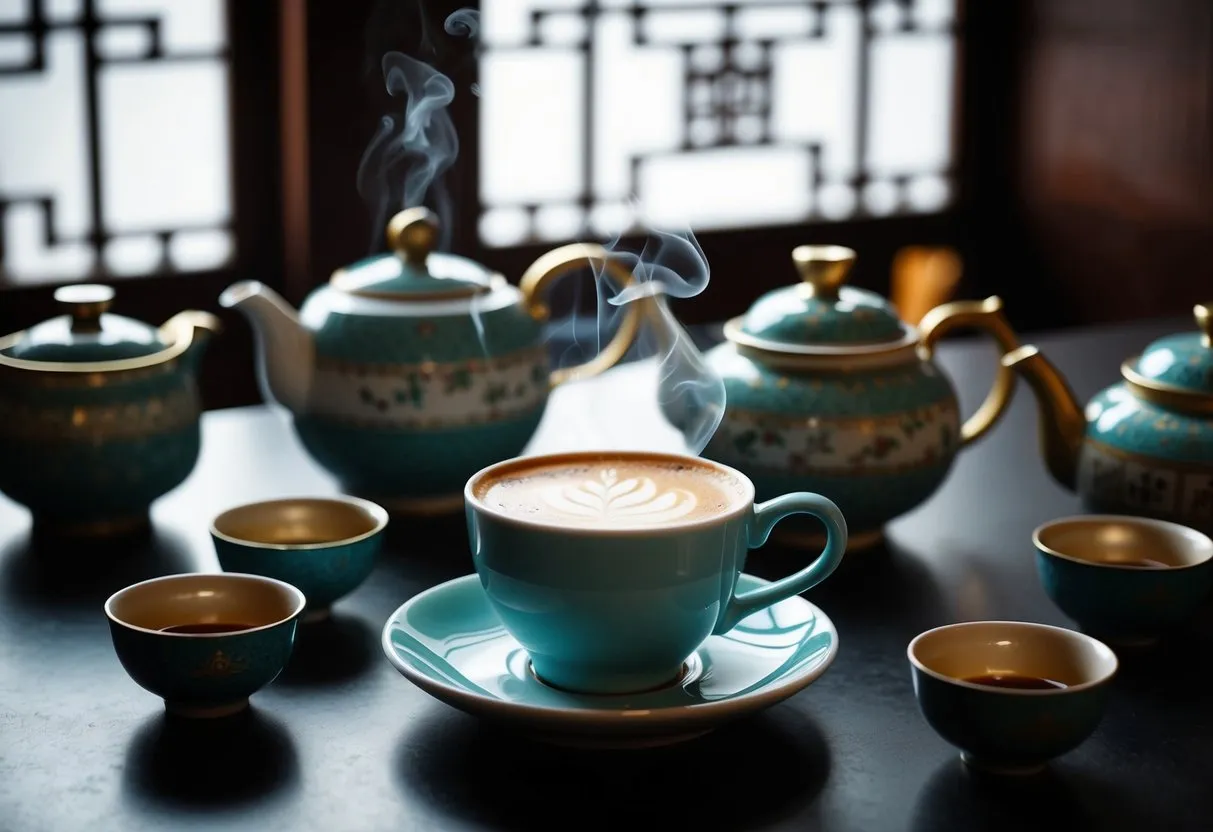
Coffee culture has been growing rapidly in China in recent years.
Many cities now boast thriving café scenes, making it easier than ever to enjoy a cup of joe while practicing your language skills.
By learning a few key phrases, you’ll be able to navigate Chinese coffee shops with confidence and connect with locals over a shared love of caffeine.
Mastering coffee-related vocabulary in Mandarin can be a fun way to expand your language abilities.
From ordering a simple espresso to more complex drinks, there are many terms to explore.
This knowledge can enhance your travel experiences and help you engage in meaningful cultural exchanges.
Key Takeaways
- The word for coffee in Mandarin Chinese is “kāfēi” (咖啡).
- China’s growing coffee culture provides opportunities to practice language skills.
- Learning coffee-related terms in Mandarin can enhance travel and cultural experiences.
Understanding Coffee Terms in Mandarin
Learning coffee terms in Mandarin can help you order your favorite drinks in China.
These key phrases cover basic vocabulary, sizes, and popular coffee varieties.
Basic Coffee Vocabulary
In Mandarin, coffee is called 咖啡 (kāfēi). The word is split into two characters: 咖 (kā) and 啡 (fēi). This term is used for coffee in general.
Black coffee is known as 黑咖啡 (hēi kāfēi). Hēi means “black” in Mandarin.
Hot coffee is 热咖啡 (rè kāfēi), while iced coffee is 冰咖啡 (bīng kāfēi).
Some other useful terms:
- Milk: 牛奶 (niúnǎi)
- Sugar: 糖 (táng)
- Cream: 奶油 (nǎiyóu)
Ordering Coffee Sizes
Coffee sizes in China often use English terms. Common size options include:
- Short: 小杯 (xiǎo bēi)
- Tall: 中杯 (zhōng bēi)
- Grande: 大杯 (dà bēi)
- Venti: 超大杯 (chāo dà bēi)
When ordering, you can say the size followed by the type of coffee. For example, “中杯美式咖啡” (zhōng bēi měishì kāfēi) means “medium Americano.”
Coffee Varieties
Popular coffee varieties in Mandarin:
- Espresso: 意式浓缩咖啡 (yìshì nóngsuō kāfēi)
- Cappuccino: 卡布奇诺 (kǎbù qínuò)
- Americano: 美式咖啡 (měishì kāfēi)
- Latte: 拿铁咖啡 (ná tiě kāfēi)
- Mocha: 摩卡咖啡 (mókǎ kāfēi)
To order, combine the size and variety. For example, “大杯拿铁咖啡” (dà bēi ná tiě kāfēi) means “large latte.”
These terms will help you navigate Chinese coffee shops with confidence.
The Coffee Scene in China

China’s coffee landscape has evolved rapidly in recent years. The country has embraced coffee culture while putting its own unique spin on the beverage.
Coffee Culture and Consumption
Coffee consumption in China has grown steadily.
Young urban professionals are driving this trend, seeking out quality brews and unique coffee experiences.
Many Chinese cities now boast thriving café scenes. 咖啡店 (coffee shops) have become popular social hubs, especially among younger generations.
Coffee chains like Starbucks have expanded across China. But local brands are also gaining traction, offering specialty coffees and fusion drinks.
While tea remains China’s traditional drink, coffee is carving out its own niche. Some cafes blend elements of tea and coffee culture, creating innovative beverages.
Unique Coffee Experiences
China’s coffee scene offers some distinctive experiences. Cat cafes have gained popularity, combining coffee with feline companionship.
Some high-end shops offer exotic options like kopi luwak (civet coffee). This ultra-premium coffee is made from beans partially digested by civets.
Many cafes focus on presentation, creating visually stunning drinks. Latte art has become a major draw for coffee enthusiasts.
Coffee tastings and brewing workshops are increasingly common. These events help educate consumers about different coffee varieties and preparation methods.
Mobile ordering and delivery services have made coffee more accessible. Many Chinese consumers now enjoy their favorite brews without leaving home.
Finding iced or refrigerated coffee might be a bit more difficult in China, but still possible at the bigger chains, especially during the summertime.

Frequently Asked Questions
Learning how to order coffee and discuss preferences in Mandarin Chinese can enhance your experience in Chinese-speaking countries. These common questions cover key phrases and vocabulary for coffee enthusiasts.
How can I order coffee in Mandarin?
To order coffee in Mandarin, you can say “Wǒ yào yì bēi kāfēi” (我要一杯咖啡), which means “I’d like a cup of coffee.” For takeaway, add “dǎ bāo” (打包) at the end of your order. When ordering in a café, you might be asked if you want your coffee “for here” or “to go.”
What is the Mandarin pronunciation for coffee?
The Mandarin pronunciation for coffee is “kāfēi” (咖啡). It’s a direct transliteration of the English word “coffee” and is widely understood in modern Chinese culture.
How do you express a preference for hot coffee in Mandarin?
To ask for hot coffee in Mandarin, you can say “rè kāfēi” (热咖啡). Simply add “rè” (热), meaning “hot,” before “kāfēi” (咖啡) to specify your temperature preference.
Can you list different types of coffee in Mandarin?
Different types of coffee in Mandarin include:
Latte: “nǎi kāfēi” (奶咖啡)
Espresso: “yìdàlì kāfēi” (意大利咖啡)
Cappuccino: “kǎbùqínuò” (卡布奇诺)
Mocha: “mókǎ” (摩卡)
Americano: “měishì kāfēi” (美式咖啡)
In Mandarin, how would you ask for a cup of coffee?
To ask for a cup of coffee in Mandarin, you can say “Qǐng gěi wǒ yì bēi kāfēi” (请给我一杯咖啡), which translates to “Please give me a cup of coffee.”
What term is used for ‘coffee’ in various parts of China?
While “kāfēi” (咖啡) is the standard term for coffee across China, some regions have colloquial variations. In Beijing, people might use “kāfēir” (咖啡儿). They add an “r” sound at the end, which is characteristic of the Beijing dialect.
More ways for how to say coffee in Chinese sentences
- 早上喝一杯咖啡可以让我精神焕发。
- 简体字:早上喝一杯咖啡可以让我精神焕发。
- 拼音:Zǎo shang hē yī bēi kā fēi kě yǐ ràng wǒ jīng shén huàn fā。
- 英文翻译:Drinking a cup of coffee in the morning can make me feel refreshed.
- 我喜欢在周末的下午去咖啡馆坐坐。
- 简体字:我喜欢在周末的下午去咖啡馆坐坐。
- 拼音:Wǒ xǐ huan zài zhōu mò de xià wǔ qù kā fēi guǎn zuò zuò。
- 英文翻译:I like to go to the café and sit for a while on weekends.
- 这家咖啡店的拿铁非常美味。
- 简体字:这家咖啡店的拿铁非常美味。
- 拼音:Zhè jiā kā fēi diàn de ná tǐ fēi cháng měi wèi。
- 英文翻译:The latte at this coffee shop is very delicious.
- 他每天都会喝两杯咖啡,一杯在上午,一杯在下午。
- 简体字:他每天都会喝两杯咖啡,一杯在上午,一杯在下午。
- 拼音:Tā měi tiān dōu huì hē liǎng bēi kā fēi, yī bēi zài shàng wǔ, yī bēi zài xià wǔ。
- 英文翻译:He drinks two cups of coffee every day, one in the morning and one in the afternoon.
- 咖啡因可以帮助提神,但过量饮用咖啡可能会导致失眠。
- 简体字:咖啡因可以帮助提神,但过量饮用咖啡可能会导致失眠。
- 拼音:Kā fēi yīn kě yǐ bāng zhù tí shén, dàn guò liàng yǐn yòng kā fēi kě néng huì dǎo zhì shī mián。
- 英文翻译:Caffeine can help you stay alert, but drinking too much coffee can lead to insomnia.