
Learning how to say common words in different languages opens doors to better communication and cultural understanding. With over a billion speakers, Chinese is easily one of the most useful languages to pick up.
Everyday objects like candles might seem simple, but knowing the right word can help when shopping, chatting, or just getting a feel for Chinese culture.
The word for how to say candle in Chinese is 蜡烛 (là zhú). You’ll hear it in both formal and casual conversations across China.
Table of Contents

This term uses two characters and simply means a wax-based light source. Whether you’re talking about birthday candles, scented ones, or traditional ceremonial candles, the word doesn’t change.
Understanding how to pronounce and write 蜡烛 helps learners communicate better in Chinese. The word pops up in lots of common phrases that Chinese speakers use all the time.
Getting the tones and character strokes right makes it easier for others to understand you and helps you spot the word when reading.
Key Takeaways
- The word for candle in Chinese is 蜡烛 (là zhú) and you can use it in any situation.
- It’s made of two Chinese characters that together describe a wax-based light source.
- Pronouncing it with the correct tones really helps you be understood by Chinese speakers.
The Main Chinese Word for Candle
The standard translation for candle in Simplified Chinese is 蜡烛 (là zhú). This two-character word has its own tones and pronunciation patterns that learners need to get familiar with.
Standard Translation: 蜡烛 (là zhú)
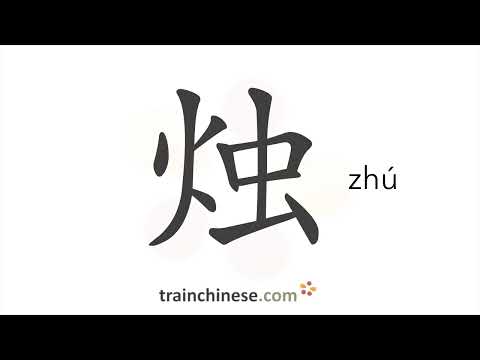
The word 蜡烛 uses two characters for candle. 蜡 (là) means wax, and 烛 (zhú) specifically means candle.
In traditional Chinese, it’s written as 蠟燭. Mainland China and Singapore use the simplified form 蜡烛.
Both versions mean exactly the same thing and sound the same. 烛 can stand alone in classical or literary writing, but modern speakers stick with 蜡烛 in daily life.
Pronunciation and Tone Guide
The pronunciation splits into two syllables: là and zhú. Là uses the fourth tone, which falls sharply, while zhú uses the second tone, which rises a bit like you’re asking a question.
Tone Pattern:
- 蜡 (là): fourth tone (falling)
- 烛 (zhú): second tone (rising)
Getting the tones right really matters in Chinese. The zh in zhú is kind of like the English “j” but the tongue sits further back.
Usage in Formal and Informal Contexts
The word 蜡烛 works in both formal and casual situations. People use it in restaurants for birthday candles, in stores, and in writing about traditional ceremonies like Christmas services.
To talk about more than one candle, you just add a measure word like 根 (gēn) or 支 (zhī) before 蜡烛. For example, “three candles” is 三根蜡烛 (sān gēn làzhú).
You’ll see 蜡烛 in all sorts of situations, from religious ceremonies to power outages. The word doesn’t change, whether you mean scented candles, birthday candles, or classic wax ones.
Other Ways Candle Is Written and Used in Chinese

Chinese uses different character systems and has special terms for candles in specific contexts. The word appears in both simplified and traditional forms, and you’ll find a handful of related expressions too.
Traditional Characters and Regional Variations
The word for candle in Simplified Chinese is 蜡烛 (là zhú). In Traditional Chinese, it’s 蠟燭, which looks a bit more complex.
Traditional characters are the norm in Taiwan, Hong Kong, and Macau. Mainland China sticks with simplified characters.
No matter which system you’re reading, the pronunciation stays là zhú. People across Chinese-speaking regions recognize both forms when they see them.
Related Words: 烛, 蠟燭, 坎德拉
The single character 烛 (zhú) means candle and pops up in compound words.
Some common combos:
- 烛光 (zhú guāng): candlelight
- 烛火 (zhú huǒ): candle flame
- 烛台 (zhú tái): candlestick or candle holder
- 红烛 (hóng zhú): red candle for celebrations
坎德拉 (kǎn dé lā) refers to candela, the scientific unit for luminous intensity. You’ll mostly see this in physics or lighting, not in daily chats.
Historical and Literary Terms
In classical Chinese, you might run into 蜡炬 (là jù), a poetic word for candle. It shows up in old poems and historical writing, but not in everyday talk.
The phrase 风中之烛 (fēng zhōng zhī zhú) means “candle in the wind.” It paints a picture of something fragile or in danger, kind of like the English metaphor.
For weddings, people use 花烛 (huā zhú), which are fancy candles for the bridal suite. The phrase 洞房花烛 (dòng fáng huā zhú) refers to the wedding festivities themselves.
In temples or during worship, you’ll hear 香烛 (xiāng zhú), which combines incense and candles. It’s a common sight in traditional Chinese religious practices.
Chinese Words and Phrases Related to Candles

There’s more than just the basic word for candle. Chinese has specific terms for candle holders, types of candlelight, and even idioms about burning candles that reflect cultural wisdom.
Candle Holder: 烛台
The Chinese word for candle holder is 烛台 (zhú tái). It’s just 烛 (zhú) for candle and 台 (tái) for stand or platform.
The character 烛 uses the fire radical 火, which ties it to flames and burning. 台 shows up in lots of words for platforms or stands.
Candle holders are both practical and decorative household items in Chinese culture. You’ll see them at festivals, ceremonies, and religious events.
烛台 works for any style, from plain metal stands to fancy decorative pieces.
Candlelight and Candle Flame: 烛光, 烛火
Chinese has two main words for light from candles. 烛光 (zhú guāng) means candlelight, pairing candle with light. 烛火 (zhú huǒ) is candle flame, combining candle with fire.
烛光 is soft and poetic, think lovely romantic dinners or gentle evening light. It’s got a nice, warm vibe.
烛火 is all about the flame itself, not the glow. It’s more technical, used when talking about the actual fire on the wick.
Common Idioms: Burn the Candle at Both Ends
The English phrase “burn the candle at both ends” becomes 两头点蜡烛 (liǎng tóu diǎn là zhú) or 焚膏继晷 (fén gāo jì guǐ) in Chinese. Both warn against overdoing it and running yourself ragged.
两头点蜡烛 is a direct translation, “light the candle at both ends.” It paints the same picture and is easy to understand, even though it’s borrowed from English.
焚膏继晷 is a classic Chinese saying. It literally means “burning oil to keep going into the night” and comes from a time before candles, when people used oil lamps. Both phrases remind you not to burn yourself out by working too much.
How to Write, Pronounce, and Use Candle in Daily Chinese
The Chinese word for candle is made up of two characters that together give you the full meaning. If you learn how to say it right and get used to how it’s used, you’ll have no trouble talking about candles, whether it’s for lighting, celebrations, or just home décor.
Writing 蜡烛 in Chinese Characters
The word 蜡烛 (là zhú) uses two different Chinese characters. The first character, 蜡, means “wax” and takes 14 strokes to write.
The second character, 烛, means “candle” and has 10 strokes in its simplified form.
Each character follows specific stroke order rules. Learning the character 烛 means understanding how to write radicals from left to right, and top to bottom.
The fire radical (火) sits on the left side of 烛. That feels pretty fitting, since candles obviously make flames.
It’s a good idea to practice each character separately before putting them together. The whole word 蜡烛 looks the same in both formal documents and casual notes.
Tracing the characters a few times helps build muscle memory for the right stroke order. It might feel awkward at first, but it gets easier with repetition.
Tips for Everyday Conversation
The pronunciation là zhú uses two different tones. “Là” takes the fourth tone, which drops sharply.
“Zhú” uses the second tone, rising up like you’re asking a question. If you mix up the tones, the meaning can change completely.
People use this word for all sorts of situations, birthday parties, power outages, religious ceremonies, you name it. 蜡烛 works for both one candle or several, since Chinese usually skips extra characters for plurals.
Practicing the tones separately first helps a lot. Getting the tones wrong can really confuse people, so it’s worth the effort to get them right.
Examples in Sentences
Here are some phrases that show how 蜡烛 pops up in daily life:
- 请点燃蜡烛 (qǐng diǎn rán là zhú) – Please light the candle
- 我需要买蜡烛 (wǒ xū yào mǎi là zhú) – I need to buy candles
- 蜡烛在桌子上 (là zhú zài zhuō zi shàng) – The candle is on the table
At birthdays, people say 吹蜡烛 (chuī là zhú), which means “blow out the candles.” When the power goes out, you’ll hear 停电了,拿蜡烛 (tíng diàn le, ná là zhú) “the power is out, get the candles.”
Restaurant staff might talk about a 蜡烛晚餐 (là zhú wǎn cān) if they’re setting up a candlelit dinner. These are just a few ways you’ll see the word used in real conversations.
Frequently Asked Questions
The Mandarin word for candle uses certain characters and pronunciation. Related words like candlelight or different candle types each have their own terms in Chinese.
Advanced ways how to say candle in Chinese sentences:
- Chinese: 生日蛋糕上的蜡烛闪烁着温暖的光,许个愿,吹灭它们,快乐就会到来。
Pinyin: Shēngri dàn’tāo shàng de làzhú shǎnshuò zhe wēnnuǎn de guāng, xǔ gè yuàn, chuī miè tāmen, kuàilè jiù huì dàolái.
English: The candles on the birthday cake flicker with a warm light; make a wish, blow them out, and happiness will come. - Chinese: 古老的书房里,他点起一支蜡烛,昏黄的火焰照亮了满屋的书香。
Pinyin: Gǔlǎo de shūfáng lǐ, tā diǎn qǐ yī zhī làzhú, hūnhuáng de huǒyàn zhàoliàng le mǎnwū de shūxiāng.
English: In the ancient study, he lit a candle; its yellowish flame illuminated the room filled with the scent of books. - Chinese: 她把蜡烛放在窗台,柔和的光线为房间增添了一份宁静的氛围。
Pinyin: Tā bǎ làzhú fàng zài chuāngtái, róuhé de guāngxiàn wèi fángjiān zēngtiān le yī fèn níngjìng de fēnwéi.
English: She placed the candle on the windowsill; the soft light added a tranquil atmosphere to the room. - Chinese: 在停电的夜晚,蜡烛成了唯一的光源,我们围坐在一起分享故事。
Pinyin: Zài tíngdiàn de yèwǎn, làzhú chéng le wéiyī de guāngyuán, wǒmen wéisit zài yīqǐ xiǎng fēnggùshì.
English: On a night without power, the candle was the only source of light, and we sat together sharing stories. - Chinese: 他用蜡烛的光在墙上画出影子,孩子们笑着追逐这些跳舞的形状。
Pinyin: Tā yòng làzhú de guāng zài qiáng shàng huà chū yǐngzi, háizimen xiào zhe zhuīzhú zhèxiē tiàowǔ de xíngzhuàng.
English: He used the candlelight to cast shadows on the wall, and the children laughed as they chased these dancing shapes.











