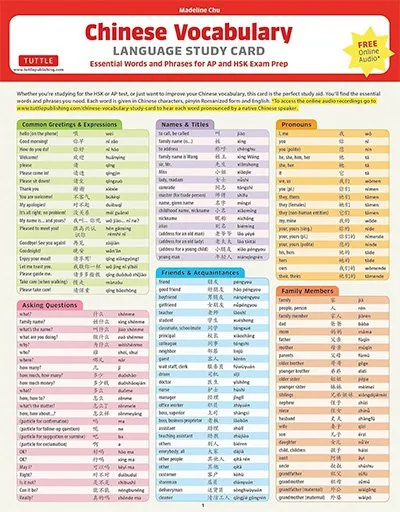
Learning how to say apple in Chinese is a great starting point for expanding your Mandarin vocabulary. It’s a common fruit that comes up often in daily life and conversations.
The word for “apple” in Mandarin Chinese is “píng guǒ” (苹果). This two-syllable word is easy to remember and pronounce, making it perfect for beginners.
Table of Contents

Chinese has a logical system for naming fruits. Many fruit names end with “guǒ,” which means “fruit.”
For example, “píng guǒ” combines “píng” (apple) with “guǒ” (fruit). This pattern applies to other fruits too, helping learners pick up new words quickly.
Knowing how to say “apple” in Chinese opens doors to learning more fruit names and food-related vocabulary. It’s a small step that can lead to big progress in your language journey. Plus, it’s fun to use new words in real-life situations, like ordering at a restaurant or shopping at a market.
Key Takeaways
- The word for apple in Chinese is “píng guǒ” (苹果)
- Many Chinese fruit names follow a pattern, ending with “guǒ” (fruit)
- Learning fruit names is a practical way to build Mandarin vocabulary
Understanding Fruit Vocabulary in Mandarin Chinese
Learning fruit names in Chinese opens up a world of culinary and cultural knowledge. Many fruits play important roles in Chinese traditions and daily life.
The Importance of Fruits in Chinese Culture
Fruits hold special meaning in Chinese culture. They are often given as gifts and used in traditional medicine.
The word for fruit in Chinese is 水果 (shuǐ guǒ). This term combines the characters for “water” and “fruit,” highlighting the juicy nature of most fruits.
During holidays, fruits like oranges and tangerines symbolize good luck. Peaches represent longevity in Chinese art and stories.
Many fruits are used in traditional Chinese medicine. For example, lychees are thought to have cooling properties, while dates are believed to boost energy.
Common Fruit Names in Mandarin
Learning basic fruit vocabulary is useful for shopping, ordering food, or discussing Chinese cuisine. Here are some common fruit names in Mandarin:
- 苹果 (píng guǒ) – apple
- 香蕉 (xiāng jiāo) – banana
- 橙子 (chéng zi) – orange
- 草莓 (cǎo méi) – strawberry
- 西瓜 (xī guā) – watermelon
Some fruits have unique Chinese names. For instance, dragon fruit is called 火龙果 (huǒ lóng guǒ), which means “fire dragon fruit.”
Chinese uses colors to describe fruit varieties. A red apple is 红苹果 (hóng píng guǒ), while a green apple is 青苹果 (qīng píng guǒ).
Learning fruit names can improve your Chinese vocabulary and cultural understanding. It’s a tasty way to enhance your language skills and get rid of bad breath!
“Bobbing for apples” is also a fun game on Halloween with costumes and friends!
Saying ‘Apple’ in Mandarin Chinese
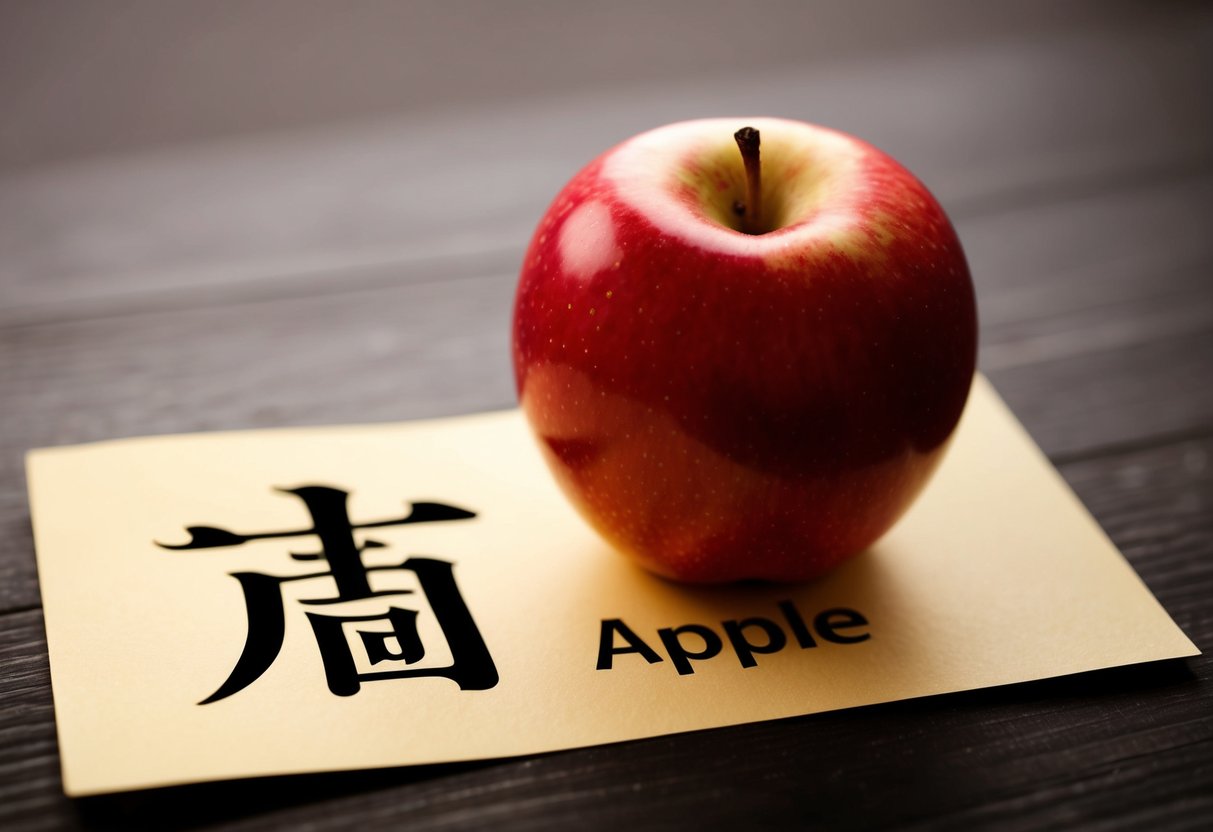
Learning to say “apple” in Mandarin Chinese is a great starting point for beginners. The word is simple to pronounce and widely used in everyday conversations.
Pronunciation of 苹果 (Píngguǒ)
The Mandarin Chinese word for apple is 苹果 (Píngguǒ). To pronounce it correctly:
- Píng: Say “ping” with a rising tone, like asking a question.
- Guǒ: Pronounce it like “gwoh” with a falling tone.
Practice saying “apple” in Chinese to improve pronunciation. It’s helpful to listen to native speakers and repeat after them.
Contextual Usage of Apple in Mandarin
Using 苹果 (Píngguǒ) in context helps reinforce learning. Here are some example sentences:
- 我喜欢吃苹果 (Wǒ xǐhuān chī píngguǒ) – I like to eat apples.
- 这个苹果很甜 (Zhège píngguǒ hěn tián) – This apple is very sweet.
When shopping, one might ask:
- 这些苹果多少钱? (Zhèxiē píngguǒ duōshǎo qián?) – How much are these apples?
Learning fruit names in Chinese can be a fun way to expand vocabulary. Red fruits like apples are easy to remember and commonly used in daily life.
Apple, the American tech company
Thankfully, the name for the iPhone cell phone company is pronounced the same, 苹果 (Píngguǒ)! To say Apple phone, you can add the same words we’ve learned for the fruit + cell phone: 苹果手机.

Frequently Asked Questions
Learning to say “apple” in Chinese opens up a world of fruit-related vocabulary. These questions cover pronunciation, audio resources, and comparisons to other languages.
What is the Chinese translation for the fruit apple?
The Chinese word for apple is 苹果 (píng guǒ). This term is used in Mandarin Chinese, which is the most widely spoken form of Chinese.
How do you pronounce the word for apple in Mandarin?
The pronunciation of 苹果 (píng guǒ) can be broken down into two parts. “Píng” is said with a high rising tone, while “guǒ” is pronounced with a falling-rising tone.
How can I find an audio guide that helps with the pronunciation of apple in Mandarin?
Many online resources offer audio guides for Chinese pronunciation. YouTube videos can be helpful for hearing native speakers say “apple” in Mandarin.
What are the differences between the Mandarin word for apple and the word in Japanese?
While Mandarin uses 苹果 (píng guǒ), Japanese uses the word “ringo” (りんご). The characters used in Japanese (林檎) are different from those in Mandarin.
How is a red apple referred to in Mandarin?
To specify a red apple in Mandarin, you would say “hóng píng guǒ” (红苹果). The character 红 (hóng) means “red” in Chinese.
What is the Mandarin translation for various fruits, such as watermelons and oranges?
Watermelon in Mandarin is “xī guā” (西瓜). Meanwhile, orange is “chéng zi” (橙子). Learning fruit names in Chinese can be a fun way to expand your vocabulary.
Other examples of how to say apple in Chinese
- 我每天都会吃一个苹果,因为它很健康。
- 简体字:我每天都会吃一个苹果,因为它很健康。
- 拼音:Wǒ měi tiān dōu huì chī yī gè píng guǒ, yīn wèi tā hěn jiàn kāng。
- 英文翻译:I eat an apple every day because it’s very healthy.
- 这个苹果又大又红,看起来很好吃。
- 简体字:这个苹果又大又红,看起来很好吃。
- 拼音:Zhè gè píng guǒ yòu dà yòu hóng, kàn qǐ lái hěn hǎo chī。
- 英文翻译:This apple is big and red, and looks very delicious.
- 妈妈买了一袋苹果,准备做苹果派。
- 简体字:妈妈买了一袋苹果,准备做苹果派。
- 拼音:Mā ma mǎi le yī dài píng guǒ, zhǔn bèi zuò píng guǒ pài。
- 英文翻译:Mom bought a bag of apples to make apple pie.
- 苹果富含维生素C,对身体很有益。
- 简体字:苹果富含维生素C,对身体很有益。
- 拼音:Píng guǒ fēng hán wéi shēng sù C, duì shēn tǐ hěn yǒu yì。
- 英文翻译:Apples are rich in vitamin C and are very beneficial to the body.
- 我喜欢在课间吃苹果,因为它能给我提供能量。
- 简体字:我喜欢在课间吃苹果,因为它能给我提供能量。
- 拼音:Wǒ xǐ huan zài kè jiān chī píng guǒ, yīn wèi tā néng gěi wǒ tí gōng néng liàng。
- 英文翻译:I like to eat apples during breaks because they provide me with energy.